EN
EN
 AR
AR
 FR
FR
 DE
DE
 IT
IT
 JA
JA
 KO
KO
 PT
PT
 RU
RU
 ES
ES
 LV
LV
 LT
LT
 VI
VI
 TH
TH
 MS
MS

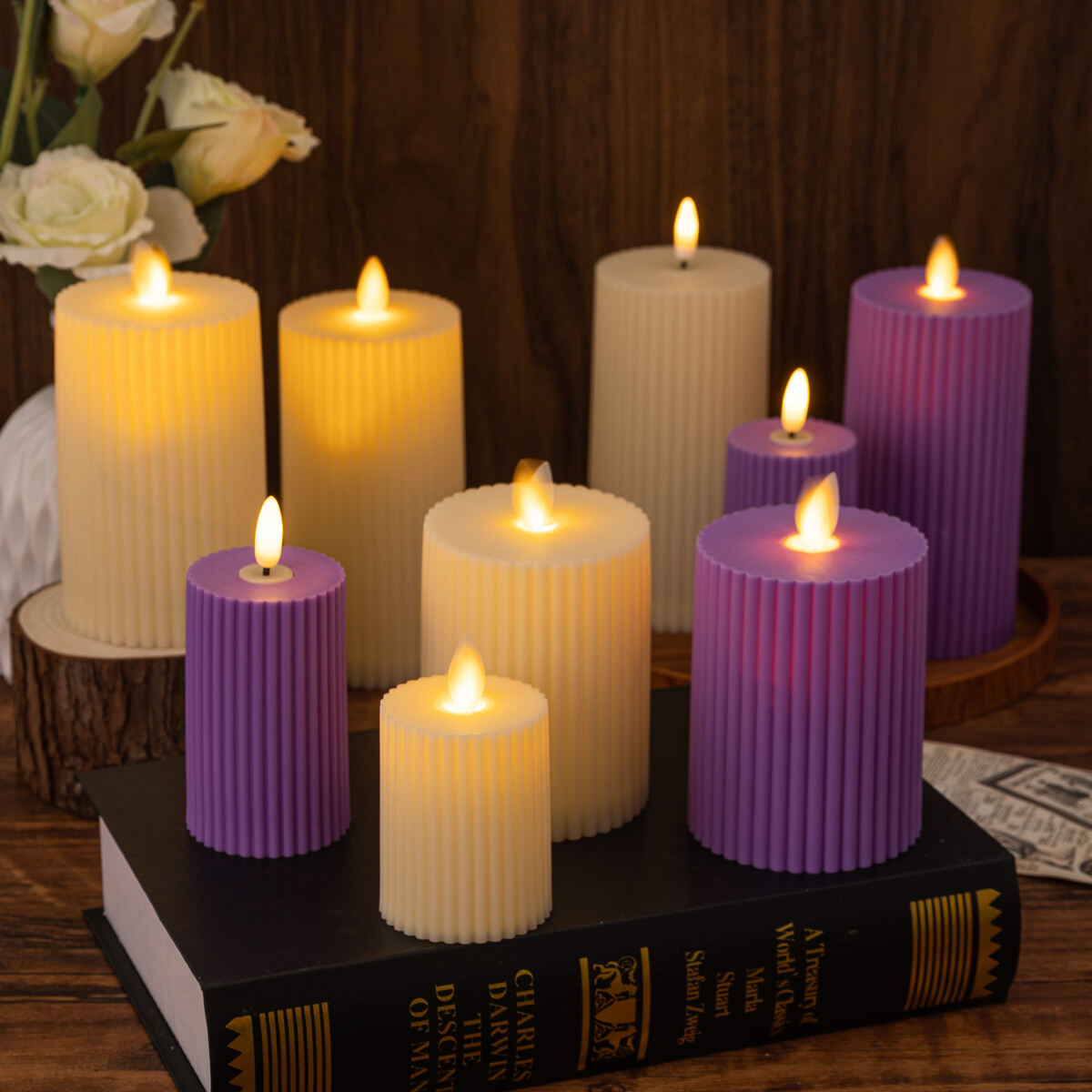
Modern bedrooms have evolved beyond simple sleeping spaces into sophisticated sanctuaries that blend functionality with aesthetic appeal. Among the essential elements that transform these intimate spaces, night lights play a crucial role in creating the perfect ambiance while serving practical purposes. The right lighting choices can dramatically enhance your bedroom's atmosphere, providing gentle illumination for nighttime navigation while complementing your overall design scheme. Contemporary homeowners increasingly recognize that thoughtfully selected night lights contribute significantly to both the visual appeal and functional comfort of their personal retreat spaces.
Minimalist Design Approaches for Contemporary Spaces
Clean Lines and Geometric Shapes
Minimalist bedroom designs demand lighting solutions that embrace simplicity without sacrificing functionality. Geometric night lights featuring clean lines and understated forms perfectly complement modern architectural elements. These fixtures often showcase sleek rectangular profiles, circular designs, or triangular configurations that echo contemporary furniture silhouettes. The beauty of geometric night lights lies in their ability to provide essential illumination while maintaining visual harmony with streamlined bedroom aesthetics. Materials like brushed aluminum, matte white plastics, or clear acrylic create sophisticated appearances that enhance rather than compete with existing decor elements.
Contemporary geometric designs frequently incorporate LED technology that offers energy efficiency alongside longevity. These modern night lights often feature touch controls or motion sensors that eliminate the need for traditional switches, maintaining the clean aesthetic while adding convenient functionality. The subtle glow from well-designed geometric fixtures creates gentle pools of light that guide movement without disturbing sleep patterns. Smart integration capabilities allow these lights to connect with home automation systems, enabling customized brightness levels and scheduling options that align with personal routines and preferences.
Scandinavian-Inspired Natural Elements
Scandinavian design principles emphasize natural materials and organic forms that bring warmth to minimalist spaces. Night lights crafted from sustainable wood, natural stone, or bamboo introduce tactile elements that soften the sometimes stark appearance of ultra-modern bedrooms. These fixtures often feature warm-toned LED elements that mimic candlelight or firelight, creating cozy atmospheres reminiscent of Nordic hygge culture. The combination of natural materials with contemporary lighting technology results in pieces that feel both timeless and thoroughly modern.
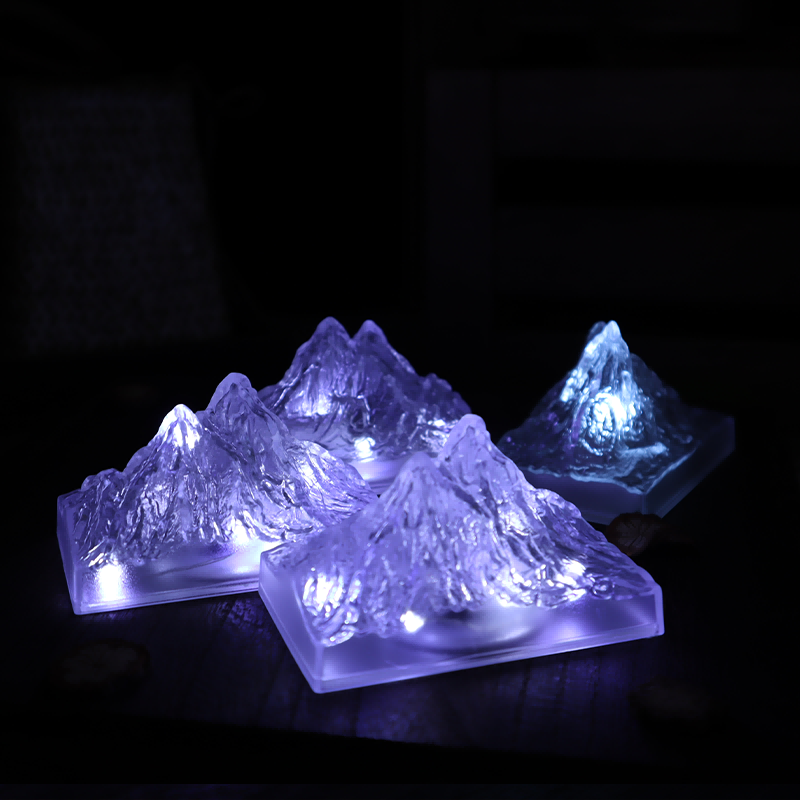
Organic shapes inspired by natural phenomena work exceptionally well in Scandinavian-influenced bedroom designs. Night lights shaped like mountains, clouds, or abstract natural forms add visual interest while maintaining the serene quality essential to restful environments. These designs often incorporate adjustable color temperatures that shift from cool whites during evening hours to warmer tones as bedtime approaches, supporting natural circadian rhythms while enhancing the bedroom's aesthetic appeal.
Smart Technology Integration in Modern Lighting
App-Controlled Customization Features
Smart night lights represent the pinnacle of modern bedroom lighting technology, offering unprecedented control over illumination characteristics through smartphone applications. These advanced fixtures allow users to adjust brightness levels, color temperatures, and even RGB color spectrums with simple finger gestures. The ability to create custom lighting scenes enables homeowners to establish different moods for various activities, from reading before bed to creating romantic atmospheres for special occasions. Many smart night lights also feature scheduling capabilities that automatically adjust lighting throughout the evening and morning hours.
Integration with popular smart home ecosystems like Alexa, Google Assistant, or Apple HomeKit transforms night lights into voice-controlled elements of comprehensive home automation systems. This connectivity enables seamless coordination with other smart devices, such as automatically dimming when security systems are armed or gradually brightening as smart alarm clocks activate morning routines. The data collected by these intelligent lighting systems can provide insights into sleep patterns and room usage, helping homeowners optimize their bedroom environments for better rest and comfort.
Motion Sensor and Circadian Rhythm Support
Advanced motion detection technology in modern night lights provides automatic illumination that responds to human presence while conserving energy when spaces are unoccupied. These sensors can be calibrated to detect subtle movements, ensuring that gentle light activates when someone enters the bedroom or gets up during the night. The sensitivity adjustments prevent false activations from pets or outside movements while maintaining responsive performance for human occupants. Battery-powered motion sensor night lights offer installation flexibility without requiring proximity to electrical outlets.
Circadian rhythm support features represent cutting-edge developments in bedroom lighting technology that align artificial illumination with natural biological cycles. These sophisticated systems automatically adjust color temperatures throughout the day, providing cooler, energizing light during morning hours and transitioning to warmer, relaxing tones as evening approaches. Some advanced models incorporate sunrise simulation features that gradually increase brightness and shift color temperatures to support natural awakening processes. This technology helps maintain healthy sleep-wake cycles, particularly beneficial for individuals who spend significant time in artificially lit environments.
Color Psychology and Ambient Lighting Effects
Warm Versus Cool Light Temperature Selection
Understanding color temperature psychology helps homeowners select night lights that support desired bedroom atmospheres and physiological responses. Warm light temperatures, typically ranging from 2700K to 3000K, create cozy, intimate environments that promote relaxation and prepare the body for sleep. These warmer tones reduce blue light exposure that can interfere with melatonin production, making them ideal choices for evening and nighttime use. Cool white light temperatures, ranging from 4000K to 6500K, provide alerting effects that can be beneficial during morning routines or when task lighting is needed.
Many contemporary night lights offer tunable white technology that allows users to adjust color temperatures according to time of day or specific activities. This flexibility enables a single fixture to serve multiple lighting needs throughout different periods, from energizing morning illumination to soothing evening ambiance. The psychological impact of appropriate color temperature selection extends beyond immediate comfort, influencing mood, productivity, and overall well-being within bedroom environments.
RGB Color Customization Options
RGB color-changing capabilities in modern night lights open creative possibilities for personalizing bedroom atmospheres according to individual preferences or specific occasions. These systems can produce millions of color combinations, enabling users to create unique lighting scenes that reflect personal style or complement seasonal decorating themes. Soft blues and purples often promote tranquility and relaxation, while warm oranges and reds can create intimate, romantic atmospheres. Green tones frequently evoke natural, calming sensations that work well in bedrooms designed around biophilic principles.
Advanced RGB systems include preset color programs designed for specific purposes, such as reading modes that optimize visibility without eye strain or meditation settings that cycle through calming color progressions. Some models synchronize with music or ambient sounds, creating immersive environments that engage multiple senses. The ability to save custom color combinations and lighting sequences allows users to quickly access preferred settings for different moods or activities, enhancing the overall bedroom experience through personalized illumination.
Size and Placement Considerations for Optimal Function
Strategic Positioning for Safety and Convenience
Proper placement of night lights in modern bedrooms requires careful consideration of traffic patterns, safety requirements, and aesthetic integration. Strategic positioning near doorways provides essential navigation assistance while preventing accidental collisions with furniture during nighttime movements. Placement at floor level along pathways creates subtle guidance without producing excessive brightness that might disturb sleeping partners. Corner locations often work well for ambient lighting that fills spaces evenly without creating harsh shadows or glare spots.
Safety considerations extend beyond basic navigation to include emergency egress planning and accessibility requirements. Night lights positioned near emergency exits or stairways provide crucial visibility during power outages or urgent situations. For bedrooms occupied by elderly residents or individuals with mobility challenges, additional lighting near beds, bathrooms, and seating areas enhances safety and independence. The key lies in achieving adequate illumination for practical needs while maintaining the serene atmosphere essential for quality sleep.
Scale Proportions Relative to Room Dimensions
Selecting appropriately sized night lights requires careful assessment of bedroom dimensions, ceiling heights, and existing furniture scales. Oversized fixtures can overwhelm compact spaces, while undersized options may appear insignificant in larger rooms with high ceilings. The visual weight of night lights should complement other decorative elements without competing for attention or disrupting the overall design balance. In spacious master bedrooms, multiple smaller fixtures often create more effective illumination coverage than single large units.
Proportional relationships between night lights and surrounding objects influence the perceived harmony of bedroom environments. Fixtures should relate appropriately to nearby furniture, artwork, and architectural features to maintain visual coherence. The brightness output should also scale with room size, as larger spaces typically require more illumination to achieve equivalent ambient lighting effects. Consideration of viewing angles from various positions within the bedroom ensures that night lights enhance rather than detract from the space's aesthetic appeal.
Energy Efficiency and Sustainability Features
LED Technology Advantages
LED technology has revolutionized night light design by providing exceptional energy efficiency, extended lifespan, and superior performance characteristics compared to traditional incandescent or fluorescent alternatives. Modern LED night lights consume minimal electricity while producing substantial illumination output, reducing energy costs and environmental impact. The typical lifespan of quality LED fixtures ranges from 25,000 to 50,000 hours, significantly reducing replacement frequency and maintenance requirements. This longevity makes LED night lights particularly attractive for bedroom applications where consistent, reliable performance is essential.
Heat generation represents another significant advantage of LED technology in bedroom environments. Unlike incandescent bulbs that produce substantial heat during operation, LEDs remain cool to the touch, eliminating fire hazards and making them safe for use near bedding, curtains, or other combustible materials. The low heat output also prevents unwanted temperature increases in bedroom spaces, maintaining comfortable sleeping conditions while providing necessary illumination. Advanced LED drivers incorporate dimming capabilities and color control features that enhance functionality without compromising efficiency.
Solar and Battery Power Options
Solar-powered night lights offer sustainable lighting solutions that operate independently of electrical grid connections, making them ideal for bedrooms where wiring limitations exist or environmental considerations are paramount. These systems typically incorporate small photovoltaic panels that charge internal batteries during daylight hours, providing illumination throughout the night without external power requirements. Modern solar night lights feature efficient charge controllers and high-capacity batteries that ensure reliable operation even during periods of limited sunlight exposure.
Battery-powered options provide installation flexibility while maintaining energy independence for bedroom lighting applications. Rechargeable battery systems can be charged via USB connections, eliminating the need for disposable batteries while providing convenient charging options through existing electronic devices. Some advanced models incorporate automatic charging stations or wireless charging capabilities that maintain power levels without manual intervention. The portability of battery-powered night lights makes them excellent choices for temporary installations, rental properties, or situations where permanent electrical modifications are not feasible.
FAQ
What brightness level is appropriate for bedroom night lights
The ideal brightness level for bedroom night lights typically ranges from 0.5 to 4 lumens, providing sufficient illumination for safe navigation without disrupting sleep. Most people find that 1-2 lumens offers the perfect balance between visibility and maintaining darkness conducive to rest. Adjustable brightness options allow customization based on individual preferences and specific bedroom layouts. Motion-activated models often use slightly higher brightness levels that activate briefly before dimming to conserve energy and minimize sleep disruption.
How do night lights affect sleep quality and circadian rhythms
Properly selected night lights can support healthy sleep patterns by providing necessary safety lighting while minimizing blue light exposure that interferes with melatonin production. Warm color temperatures below 3000K have minimal impact on circadian rhythms, while cooler blue and white lights can disrupt natural sleep cycles if used extensively during evening hours. Red-tinted night lights are considered the most sleep-friendly option, as they provide visibility with minimal biological impact. Smart night lights with automatic color temperature adjustment help maintain natural circadian rhythms by gradually shifting to warmer tones as bedtime approaches.
Can smart night lights integrate with existing home automation systems
Most modern smart night lights are designed to integrate seamlessly with popular home automation platforms including Alexa, Google Home, Apple HomeKit, and SmartThings. This compatibility enables voice control, scheduling automation, and coordination with other smart home devices such as security systems, thermostats, and alarm clocks. Integration possibilities include automatic activation based on motion detection, gradual dimming as part of bedtime routines, and emergency lighting during power outages. Many smart night lights also provide energy usage monitoring and sleep pattern insights through connected mobile applications.
What maintenance requirements do modern night lights have
Contemporary LED night lights require minimal maintenance compared to traditional lighting fixtures, typically needing only occasional cleaning to remove dust and debris that can reduce light output. Battery-powered models require periodic recharging or battery replacement depending on the specific technology used. Solar-powered units benefit from regular cleaning of photovoltaic panels to maintain charging efficiency. Smart night lights may require occasional firmware updates through connected applications to access new features and maintain optimal performance. Most quality LED fixtures operate maintenance-free for years before requiring any component replacement or service attention.