EN
EN
 AR
AR
 FR
FR
 DE
DE
 IT
IT
 JA
JA
 KO
KO
 PT
PT
 RU
RU
 ES
ES
 LV
LV
 LT
LT
 VI
VI
 TH
TH
 MS
MS

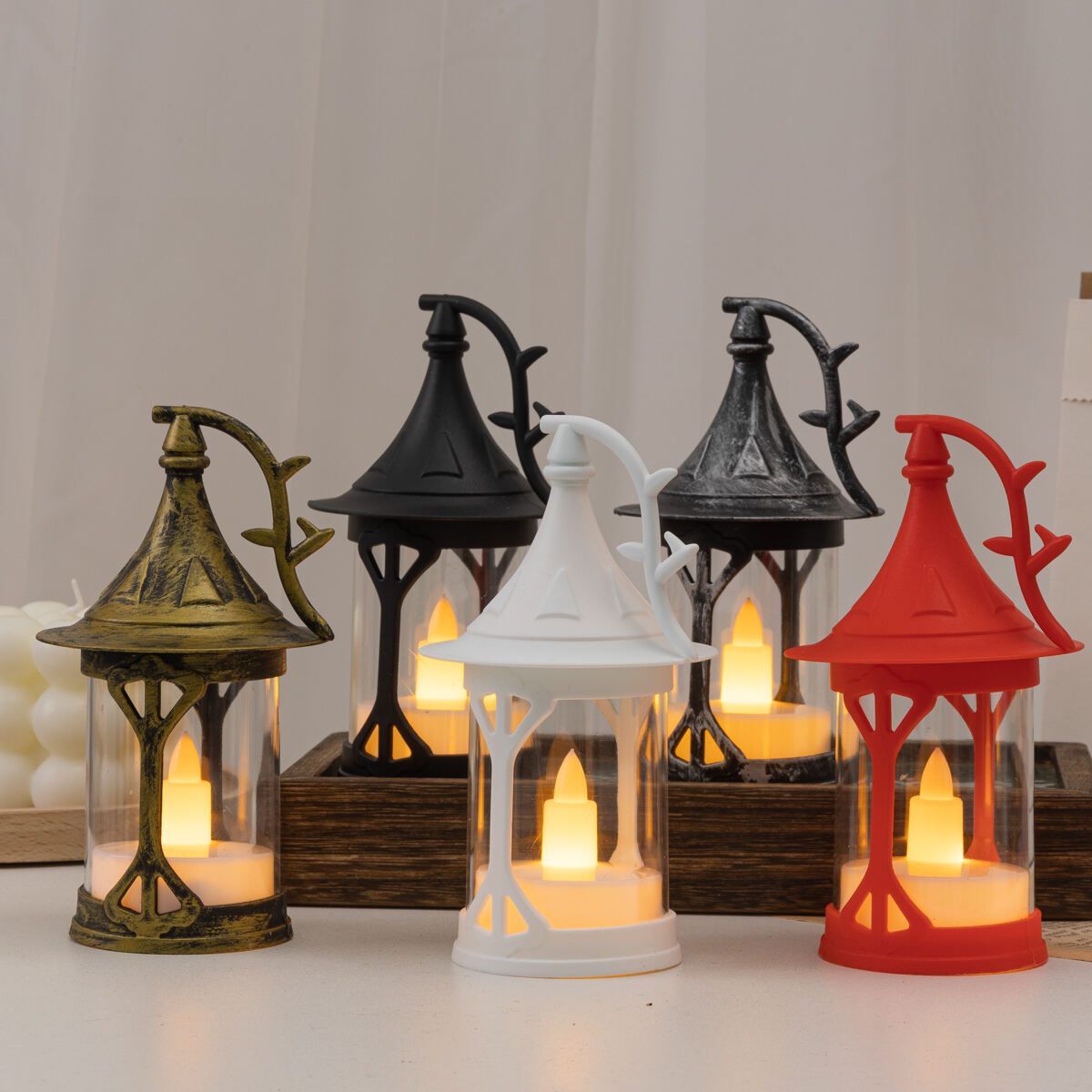
Commercial and hospitality spaces require carefully selected lighting solutions that balance functionality, aesthetics, and energy efficiency. Night lights play a crucial role in creating welcoming environments while ensuring safety and comfort for guests and visitors. The right selection can transform ordinary spaces into memorable experiences that enhance brand reputation and customer satisfaction. Understanding the specific requirements of different commercial environments helps designers and facility managers make informed decisions about night lighting installations.
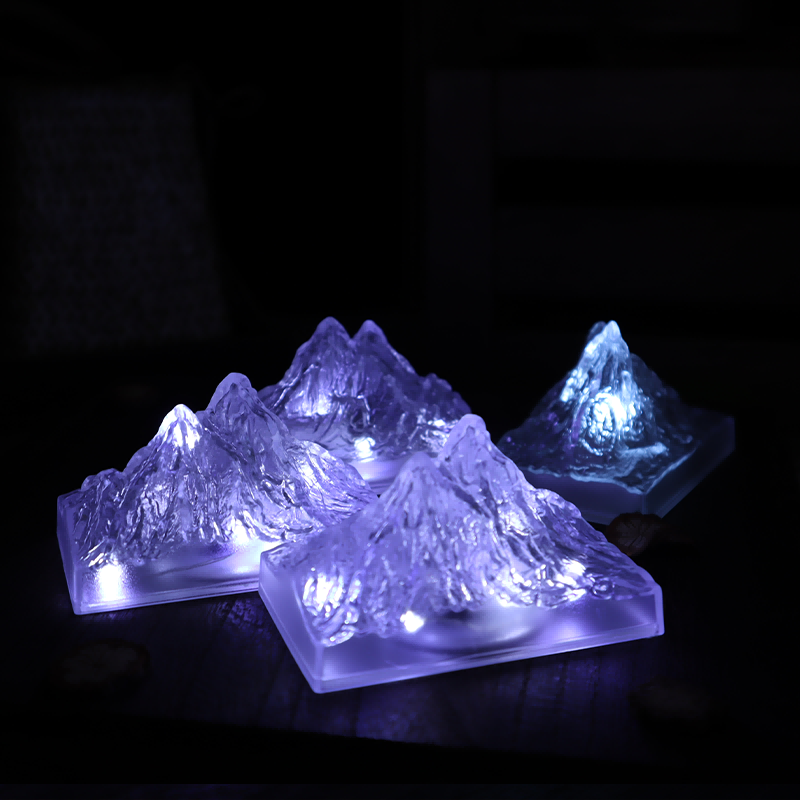
Essential Considerations for Commercial Night Lighting
Safety and Compliance Requirements
Commercial installations must adhere to strict building codes and safety regulations that govern emergency lighting and pathway illumination. Night lights in commercial settings serve multiple purposes beyond decoration, including emergency egress lighting and basic navigation assistance during low-light conditions. Compliance with local fire codes ensures that lighting systems meet minimum illumination levels for safe evacuation routes. Professional installations should incorporate battery backup systems to maintain functionality during power outages, particularly in hotels, restaurants, and retail establishments.
Understanding ADA compliance requirements becomes essential when selecting night lights for public spaces and hospitality venues. Proper placement heights, brightness levels, and contrast ratios must meet accessibility standards to accommodate guests with visual impairments. Commercial-grade fixtures typically require higher durability ratings and flame-retardant materials compared to residential applications. Regular maintenance schedules and replacement protocols should be established to ensure consistent performance throughout the facility lifecycle.
Energy Efficiency and Operational Costs
LED technology dominates the commercial night light market due to its exceptional energy efficiency and extended lifespan characteristics. Advanced LED systems consume up to 80% less energy than traditional incandescent alternatives while providing superior color consistency and dimming capabilities. Smart sensors and automated controls can further optimize energy consumption by adjusting brightness levels based on occupancy patterns and ambient light conditions. Integration with building management systems allows facility operators to monitor and control lighting remotely while tracking energy usage metrics.
Life cycle cost analysis reveals that premium LED night lights deliver significant long-term savings despite higher initial investment costs. Reduced maintenance requirements, lower replacement frequencies, and decreased energy consumption combine to create favorable return on investment calculations. Commercial properties often benefit from utility rebates and tax incentives when upgrading to energy-efficient lighting technologies, further improving the financial justification for quality installations.
Hospitality-Specific Lighting Design Principles
Guest Experience and Ambiance Creation
Hospitality environments require sophisticated lighting approaches that create memorable experiences while maintaining practical functionality. Night lights contribute significantly to the overall ambiance of hotels, restaurants, and entertainment venues by providing subtle illumination that enhances architectural features and creates intimate atmospheres. Color temperature selection becomes critical in hospitality settings, with warmer tones typically preferred for relaxation areas and cooler tones suitable for task-oriented spaces like lobbies and business centers.
Layered lighting designs incorporate night lights as accent elements that complement primary and secondary lighting systems. Strategic placement along corridors, stairwells, and guest room entries creates visual continuity while providing practical wayfinding assistance. Dimming capabilities allow staff to adjust lighting levels throughout different periods of operation, maintaining energy efficiency while preserving the desired aesthetic appeal.
Brand Identity and Design Integration
Successful hospitality lighting designs seamlessly integrate night lights with overall brand identity and architectural themes. Custom fixtures and specialized designs help differentiate properties from competitors while creating distinctive visual signatures that guests remember and associate with positive experiences. Color-changing LED systems enable dynamic lighting programs that can adapt to seasonal themes, special events, or time-of-day variations without requiring physical fixture replacements.
Coordination between interior designers, lighting consultants, and facility management teams ensures that night light selections complement existing decor elements and future renovation plans. Modular systems and standardized mounting methods facilitate easier updates and maintenance while preserving design consistency across multiple properties or franchise locations. Investment in quality fixtures that can accommodate future technology upgrades protects long-term design integrity and operational flexibility.
Technical Specifications and Performance Criteria
Brightness and Distribution Patterns
Proper illumination levels for commercial night lights depend on specific application requirements and surrounding environmental conditions. Typical output ranges vary from 5 to 50 lumens for decorative applications, while safety-oriented installations may require higher intensities to meet code requirements. Beam angle characteristics determine light distribution patterns, with wide-angle designs suitable for general area illumination and narrow beams appropriate for accent lighting applications.
Photometric testing data provides essential information about light output consistency, color rendering capabilities, and thermal management performance under various operating conditions. Commercial installations benefit from fixtures that maintain stable performance across wide temperature ranges and humidity variations commonly encountered in hospitality environments. Glare control becomes particularly important in guest-facing areas where excessive brightness can create discomfort or safety hazards.
Durability and Environmental Resistance
Commercial and hospitality applications subject night lights to more demanding operating conditions than residential installations. High-traffic areas require fixtures with superior impact resistance and tamper-proof designs that can withstand accidental contact and potential vandalism attempts. IP ratings indicate protection levels against dust and moisture infiltration, with higher ratings necessary for bathrooms, outdoor installations, and areas subject to regular cleaning procedures.
Material selection significantly impacts longevity and maintenance requirements in commercial environments. Corrosion-resistant finishes and UV-stable plastics ensure appearance retention over extended service periods, while thermally efficient heat sinks prevent premature LED degradation in enclosed fixtures. Quality control standards and manufacturer warranties provide additional assurance for large-scale installations where fixture failures can impact operations and guest satisfaction.
Installation and Maintenance Considerations
Professional Installation Requirements
Commercial night light installations typically require licensed electrical contractors familiar with local codes and safety requirements. Proper electrical connections, adequate circuit protection, and appropriate wire management ensure safe and reliable operation while minimizing fire hazards and electrical interference. Integration with existing building systems may require coordination between multiple trades and careful planning to avoid conflicts with other utilities and structural elements.
Documentation of installation procedures, electrical connections, and maintenance schedules becomes essential for ongoing facility management and future renovations. As-built drawings and specification sheets help maintenance staff identify replacement parts and troubleshoot performance issues efficiently. Training programs for facility personnel ensure proper operation of advanced features like dimming controls and smart sensor systems.
Long-term Maintenance Strategies
Proactive maintenance programs extend fixture lifespans while maintaining optimal performance levels throughout commercial and hospitality facilities. Regular cleaning schedules remove dust and debris that can reduce light output and create safety hazards, while periodic inspections identify potential issues before they result in failures. Standardized replacement procedures and inventory management systems minimize downtime when repairs become necessary.
Predictive maintenance approaches utilize monitoring systems to track performance metrics and identify declining fixtures before complete failure occurs. Energy monitoring capabilities help identify inefficient units and optimize replacement schedules based on actual usage patterns rather than arbitrary time intervals. Documentation of maintenance activities provides valuable data for warranty claims and helps optimize future specification decisions based on real-world performance experience.
FAQ
What are the most important safety considerations when selecting night lights for commercial spaces
Safety considerations include compliance with local building and fire codes, proper emergency lighting integration, and adequate illumination for safe navigation. Commercial installations must meet specific brightness requirements for egress paths and include battery backup systems for power outages. Fire-resistant materials and appropriate electrical installations prevent safety hazards while ensuring reliable operation during emergency situations.
How do energy efficiency requirements differ between commercial and residential night light applications
Commercial applications face stricter energy efficiency standards and may qualify for utility rebates when using high-efficiency LED systems. Operating costs become more significant due to longer daily operation periods and larger quantities of fixtures. Smart controls and automated dimming systems provide additional energy savings opportunities that justify higher initial investments in commercial environments compared to residential applications.
What maintenance challenges are unique to hospitality night lighting installations
Hospitality environments require more frequent cleaning due to higher occupancy levels and potential exposure to various contaminants. Guest safety considerations demand immediate attention to any lighting failures or reduced performance. Aesthetic consistency across large properties requires careful inventory management and standardized replacement procedures to maintain brand image and guest experience quality.
How can night lights contribute to overall brand identity in hospitality projects
Custom fixture designs and coordinated color schemes help create distinctive visual identities that differentiate properties from competitors. Programmable LED systems enable dynamic lighting effects that can adapt to seasonal themes or special events. Strategic placement and consistent design elements throughout a property create memorable experiences that guests associate with the brand and encourage repeat visits.
Table of Contents
- Essential Considerations for Commercial Night Lighting
- Hospitality-Specific Lighting Design Principles
- Technical Specifications and Performance Criteria
- Installation and Maintenance Considerations
-
FAQ
- What are the most important safety considerations when selecting night lights for commercial spaces
- How do energy efficiency requirements differ between commercial and residential night light applications
- What maintenance challenges are unique to hospitality night lighting installations
- How can night lights contribute to overall brand identity in hospitality projects