EN
EN
 AR
AR
 FR
FR
 DE
DE
 IT
IT
 JA
JA
 KO
KO
 PT
PT
 RU
RU
 ES
ES
 LV
LV
 LT
LT
 VI
VI
 TH
TH
 MS
MS

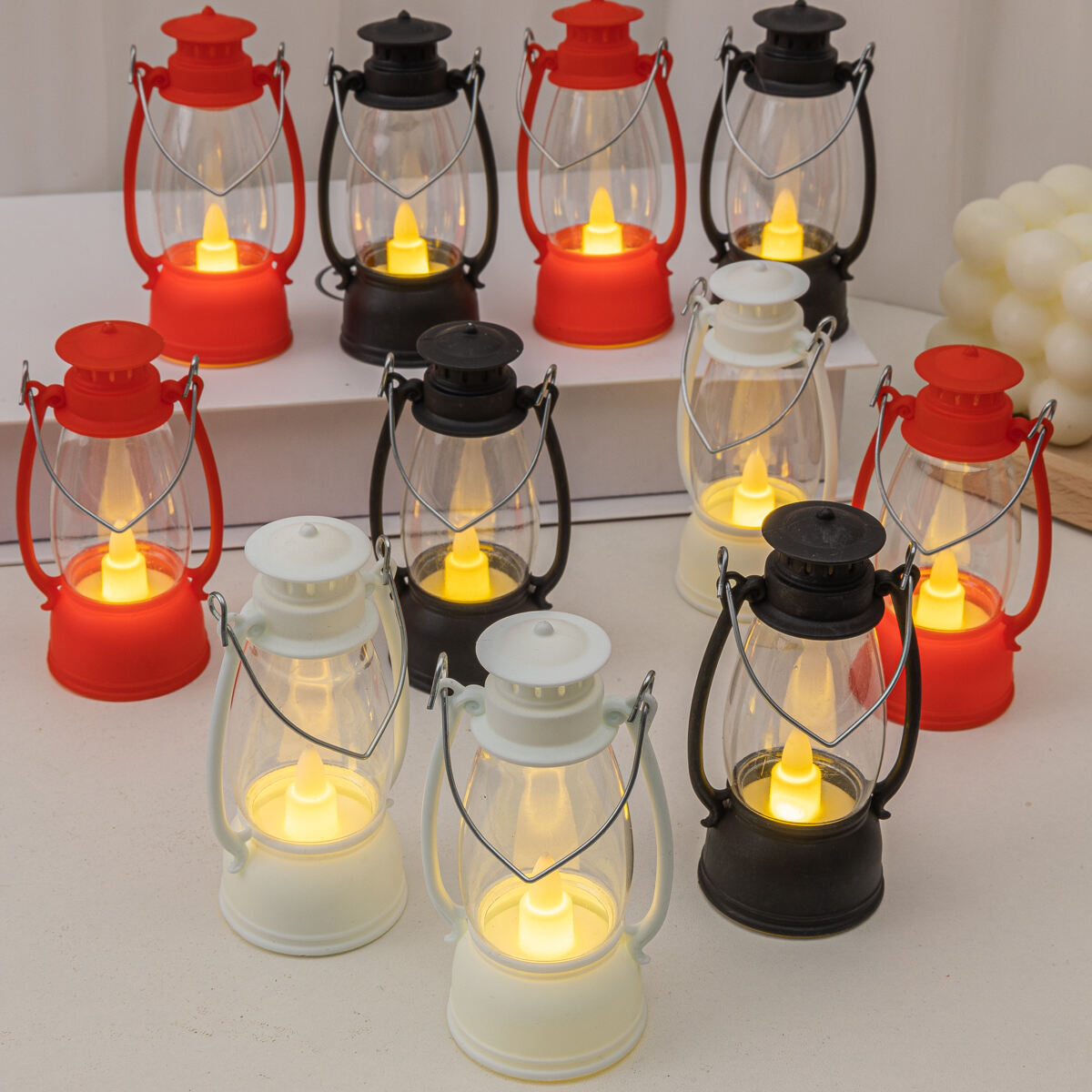
The world of decorative lighting has evolved dramatically with the introduction of plastics candles, offering homeowners and designers unprecedented flexibility in creating ambiance without traditional flame hazards. These innovative lighting solutions combine the warm, flickering appeal of conventional candles with modern safety features and customizable designs. As consumer preferences shift toward sustainable and versatile home décor options, plastics candles have emerged as a popular choice for both residential and commercial applications. The growing market demand reflects their ability to deliver authentic candle experiences while addressing safety concerns and maintenance challenges associated with wax-based alternatives.
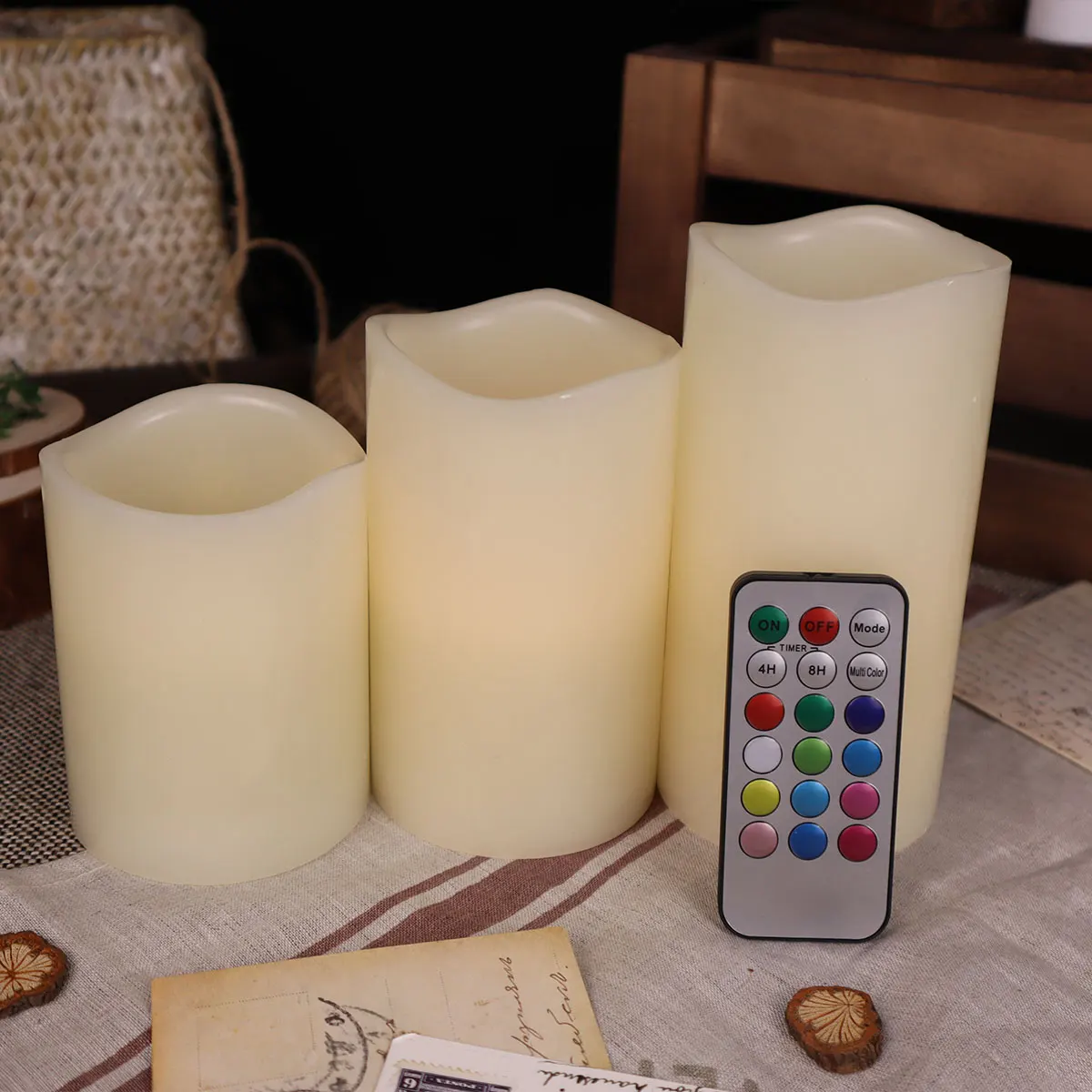
Contemporary Design Trends in Plastic Candle Manufacturing
Minimalist Aesthetic Approaches
Modern plastics candles increasingly embrace minimalist design principles, featuring clean lines and understated elegance that complement contemporary interior design schemes. Manufacturers focus on creating sleek profiles with smooth surfaces and geometric shapes that blend seamlessly with modern furniture and architectural elements. These designs prioritize functionality while maintaining visual appeal, often incorporating neutral color palettes and simple forms that enhance rather than dominate living spaces. The minimalist trend reflects consumer preferences for uncluttered environments where plastics candles serve as subtle accent pieces rather than dominant focal points.
The emphasis on simplicity extends to packaging and presentation, with many brands adopting eco-friendly materials and streamlined branding that reinforces the clean aesthetic. This approach resonates particularly well with younger demographics who value both style and environmental consciousness in their purchasing decisions. The success of minimalist plastics candles demonstrates how effective design can transcend traditional boundaries between functional lighting and decorative art.
Textured Surface Innovations
Advanced manufacturing techniques have enabled the creation of plastics candles with sophisticated surface textures that mimic natural materials like stone, wood, and ceramic. These textural innovations add tactile interest and visual depth, making synthetic materials feel more authentic and premium. Popular texture options include hammered metal effects, rustic wood grain patterns, and smooth marble-like finishes that appeal to diverse aesthetic preferences. The ability to replicate expensive natural materials at affordable price points has significantly expanded the market reach of textured plastics candles.
Manufacturers continue to invest in research and development to create increasingly realistic surface treatments that fool even close inspection. These technological advances have elevated plastics candles from simple utility items to sophisticated decorative objects worthy of prominent display in upscale retail environments and luxury homes.
Color and Light Technology Integration
RGB Color-Changing Capabilities
The integration of RGB LED technology has revolutionized plastics candles by enabling infinite color customization and dynamic lighting effects. Users can now adjust colors to match specific moods, seasonal themes, or event requirements through smartphone apps or remote controls. This technological advancement transforms static lighting into interactive experiences that respond to user preferences and environmental changes. The ability to synchronize multiple plastics candles creates cohesive lighting schemes across large spaces, making them valuable tools for event planning and hospitality applications.
Color-changing plastics candles have found particular success in restaurants, hotels, and entertainment venues where ambiance plays a crucial role in customer experience. The versatility of programmable lighting allows establishments to modify their atmosphere throughout the day without replacing physical fixtures, providing both operational efficiency and creative flexibility.
Warm White and Natural Flame Simulation
Despite the popularity of color-changing options, many consumers prefer plastics candles that closely replicate the warm, natural glow of traditional wax candles. Manufacturers have developed specialized LED configurations that produce authentic flame-like flickering patterns and color temperatures ranging from 2200K to 2700K. These natural simulation technologies focus on creating realistic flame movements that vary in intensity and direction, mimicking the organic behavior of real candle flames affected by air currents.
Advanced flame simulation incorporates multiple light sources within single candle units, creating depth and dimensionality that enhances the illusion of genuine combustion. This attention to realism has made warm white plastics candles acceptable substitutes for traditional candles in formal dining settings and religious ceremonies where authenticity is paramount.
Shape and Size Variations in Modern Collections
Traditional Pillar and Taper Designs
Classic pillar and taper shapes remain foundational designs in plastics candles collections, serving as versatile options that complement both traditional and contemporary décor styles. These familiar forms provide comfort and continuity for consumers transitioning from wax to plastic alternatives, while offering the practical benefits of safety and durability. Modern interpretations of traditional shapes often incorporate subtle design enhancements such as tapered bases, decorative ridges, or graduated color transitions that add visual interest without abandoning recognizable silhouettes.
Manufacturers produce pillar-style plastics candles in various diameters and heights to accommodate different spatial requirements and aesthetic preferences. The standardization of traditional dimensions ensures compatibility with existing candleholders and candelabras, facilitating easy adoption by consumers seeking safer alternatives to conventional candles.
Unique Sculptural Forms
Innovative designers are pushing the boundaries of plastics candles beyond traditional shapes, creating sculptural forms that function as both lighting and art objects. These unique designs include abstract geometric shapes, organic flowing forms inspired by nature, and architectural elements that complement modern interior design trends. Sculptural plastics candles often serve as conversation pieces while providing functional illumination, bridging the gap between utilitarian lighting and decorative art.
The flexibility of plastic manufacturing allows for complex shapes and hollow structures that would be impossible or impractical with traditional wax candles. This design freedom enables creators to explore new aesthetic territories while maintaining the essential functional characteristics that define effective lighting solutions.
Smart Features and Remote Control Integration
Mobile Application Connectivity
Modern plastics candles increasingly feature Bluetooth and WiFi connectivity that enables control through dedicated mobile applications. These smart features allow users to adjust brightness, color, timing, and effects from anywhere within their homes or remotely when traveling. Mobile apps typically include preset lighting scenarios, scheduling functions, and the ability to create custom lighting programs that respond to daily routines or special events. The convenience of smartphone control has made plastics candles more appealing to tech-savvy consumers who appreciate integrated home automation systems.
Advanced applications offer features such as music synchronization, where plastics candles pulse and change colors in rhythm with audio playback, creating immersive audiovisual experiences for entertainment and relaxation. Some systems also integrate with popular smart home platforms, allowing voice control through virtual assistants and coordination with other connected devices.
Timer and Automation Functions
Built-in timing mechanisms have become standard features in quality plastics candles, allowing users to program automatic on/off cycles that simulate natural lighting patterns or conserve battery life. These automation functions include sunset/sunrise simulation modes that gradually adjust brightness and color temperature throughout the day, supporting circadian rhythm regulation and creating natural ambiance transitions. Advanced timer systems remember user preferences and can operate independently for weeks without manual intervention.
Some plastics candles incorporate motion sensors that activate illumination when occupants enter rooms, providing both convenience and security benefits. These intelligent features transform simple lighting devices into responsive environmental systems that adapt to human behavior and preferences automatically.
Seasonal and Themed Design Collections
Holiday-Specific Variations
Manufacturers have capitalized on seasonal demand by creating specialized plastics candles designed for specific holidays and celebrations. Christmas collections feature traditional red and green color schemes, winter themes with cool blue and white lighting, and decorative elements such as snowflake patterns or evergreen textures. Halloween versions incorporate orange and purple lighting with spooky sound effects and flickering patterns that enhance haunted atmosphere creation. These seasonal plastics candles often include themed packaging and marketing materials that appeal to holiday shoppers seeking temporary decorative solutions.
Valentine's Day collections emphasize romantic red and pink color options with heart-shaped designs or soft romantic lighting modes that create intimate dining experiences. The ability to store multiple seasonal programs within single units makes plastics candles valuable year-round investments rather than single-use decorative items.
Cultural and Regional Adaptations
Global manufacturers recognize the importance of cultural sensitivity in plastics candles design, creating region-specific collections that respect local traditions and aesthetic preferences. Asian markets often prefer designs that incorporate feng shui principles, with emphasis on natural materials simulation and earth-tone color palettes. European collections tend toward elegant, refined aesthetics with classical proportions and sophisticated color schemes that complement traditional European interior design styles.
Middle Eastern markets show preference for ornate designs with metallic finishes and intricate patterns that reflect regional artistic traditions. These cultural adaptations demonstrate how successful plastics candles brands understand and respond to diverse global market preferences while maintaining core functionality and quality standards.
Environmental Considerations and Sustainable Materials
Recyclable Plastic Compositions
Environmental consciousness has driven innovation in plastics candles manufacturing toward more sustainable material choices and production processes. Many leading manufacturers now use recyclable plastics such as ABS and polycarbonate that can be processed into new products at the end of their useful lives. These materials maintain the durability and aesthetic qualities essential for quality plastics candles while reducing environmental impact through improved end-of-life disposal options.
Some companies have introduced take-back programs where consumers can return used plastics candles for proper recycling, ensuring materials enter appropriate waste streams rather than contributing to landfill accumulation. These initiatives demonstrate corporate responsibility while building customer loyalty among environmentally conscious consumers.
Bio-Based Plastic Alternatives
Emerging bio-based plastics derived from renewable sources such as corn starch, sugarcane, and other plant materials represent the next evolution in sustainable plastics candles manufacturing. These materials offer similar performance characteristics to traditional petroleum-based plastics while providing improved biodegradability and reduced carbon footprint. Early adopters of bio-based materials in plastics candles production are positioning themselves as industry leaders in environmental stewardship.
The development of bio-based alternatives faces challenges in terms of cost and performance consistency, but ongoing research continues to improve viability for mass market applications. Consumer education about the benefits of bio-based plastics candles helps drive market acceptance and supports continued investment in sustainable material development.
FAQ
How long do batteries typically last in plastics candles
Battery life in plastics candles varies significantly based on LED configuration, brightness settings, and usage patterns, but most quality units provide 100-200 hours of continuous operation on a single battery set. Models with energy-efficient LED arrays and intelligent power management systems can extend battery life to 300+ hours when used with timer functions. Rechargeable lithium-ion batteries in premium plastics candles typically provide 8-12 hours per charge cycle and can be recharged hundreds of times before replacement becomes necessary.
Are plastics candles safe for outdoor use
Many plastics candles are designed with weather-resistant features that make them suitable for outdoor applications including patios, gardens, and poolside areas. Look for products with IP65 or higher ingress protection ratings that provide protection against dust and water intrusion. However, extreme temperature exposure and prolonged UV radiation can affect plastic materials and LED components, so manufacturers typically recommend storing outdoor plastics candles in shaded areas or bringing them indoors during severe weather conditions.
Can plastics candles be customized for commercial applications
Professional-grade plastics candles often offer extensive customization options for restaurants, hotels, event planners, and retail environments. Customization services include logo printing, custom color programming, synchronized lighting effects across multiple units, and integration with existing lighting control systems. Many manufacturers provide bulk purchasing programs and technical support for commercial installations, making plastics candles viable solutions for large-scale ambiance lighting projects.
What maintenance do plastics candles require
Plastics candles require minimal maintenance compared to traditional wax candles, primarily involving periodic cleaning with soft cloths and mild detergents to remove dust and fingerprints. Battery-powered models need battery replacement or recharging according to usage patterns, while rechargeable units require occasional full discharge cycles to maintain battery health. LED components typically last 25,000-50,000 hours under normal conditions, making replacement unnecessary for most consumer applications during expected product lifespans.