EN
EN
 AR
AR
 FR
FR
 DE
DE
 IT
IT
 JA
JA
 KO
KO
 PT
PT
 RU
RU
 ES
ES
 LV
LV
 LT
LT
 VI
VI
 TH
TH
 MS
MS

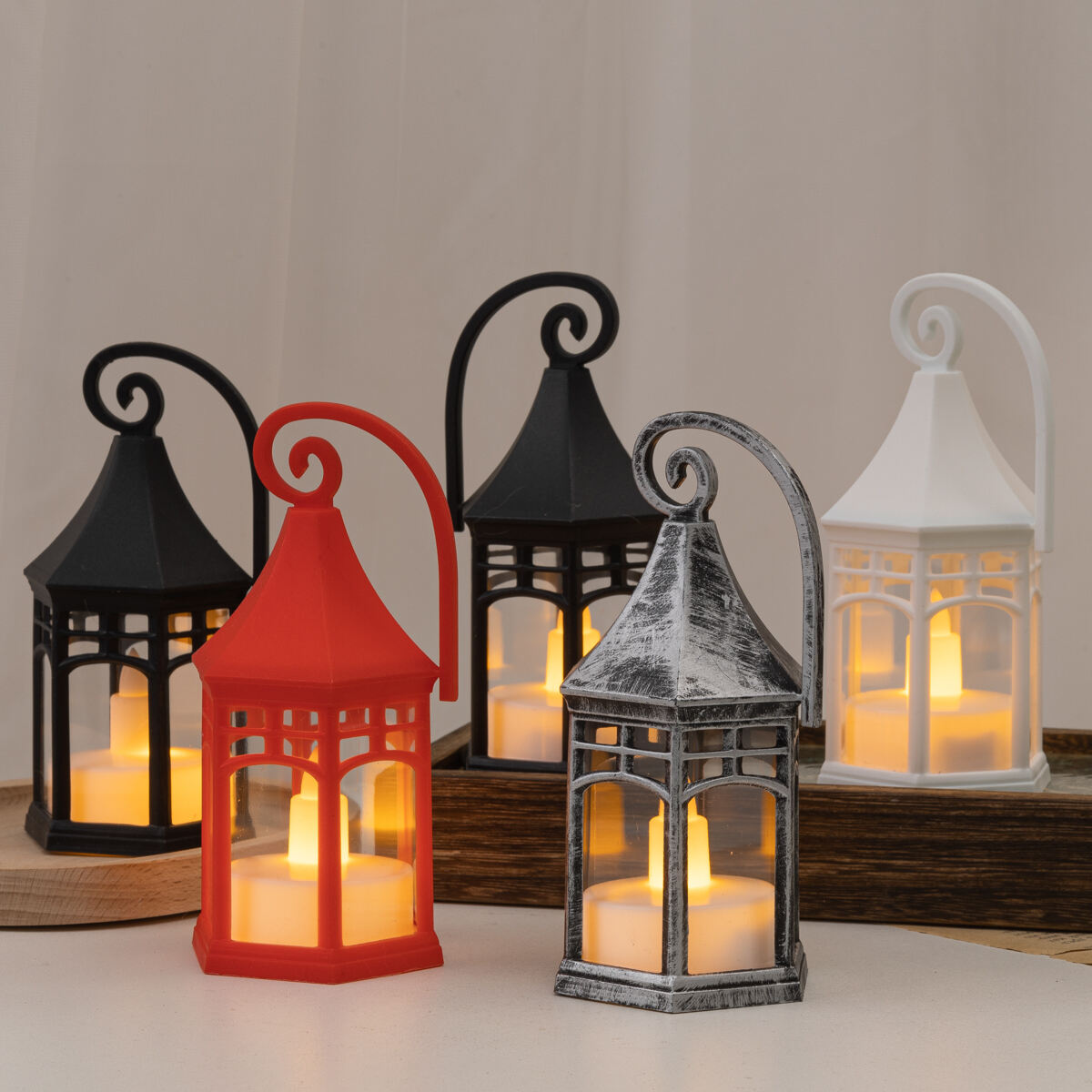
LED wind lamps have emerged as innovative lighting solutions that combine aesthetic appeal with functional illumination, capturing the attention of both residential and commercial users. These distinctive fixtures feature unique designs that create mesmerizing visual effects while providing reliable lighting performance. The market for LED wind lamps continues to expand as consumers seek energy-efficient alternatives that offer both style and substance in their lighting choices.
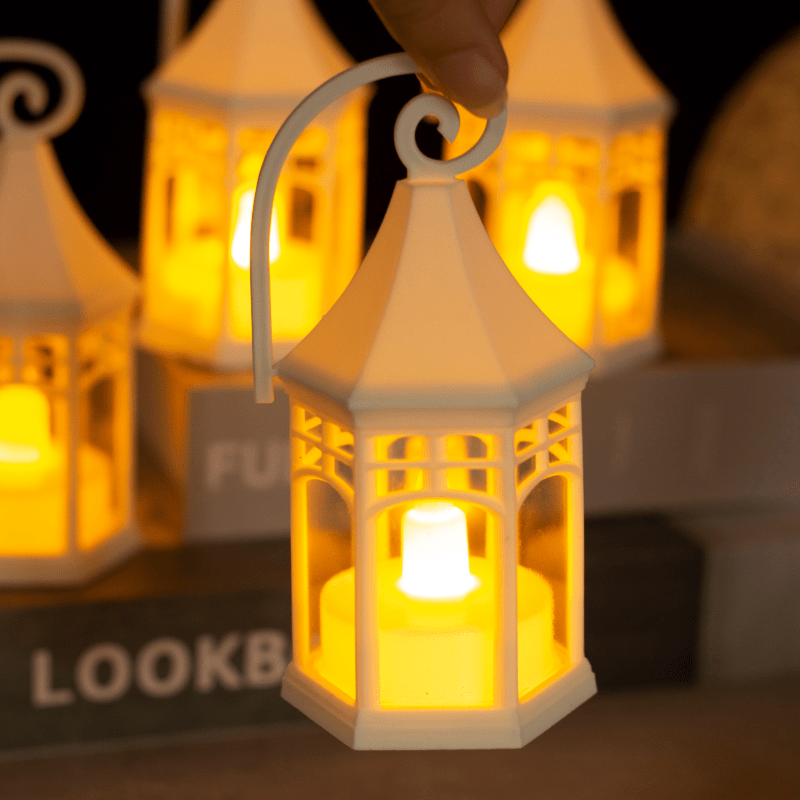
Standard Size Categories for LED Wind Lamps
Compact Desktop Models
Compact LED wind lamps typically measure between 4 to 8 inches in height, making them perfect for desktop applications, nightstands, and small accent lighting needs. These smaller units often feature hexagonal or cylindrical designs with integrated handles for easy portability. The compact size allows users to position these LED wind lamps in tight spaces while still achieving the desired ambient lighting effect. Many desktop models include battery operation capabilities, enhancing their versatility for temporary installations or areas without convenient electrical access.
The power consumption of compact LED wind lamps generally ranges from 2 to 5 watts, providing sufficient illumination for personal use without overwhelming smaller spaces. These units often incorporate adjustable brightness settings and color temperature options, allowing users to customize their lighting experience. The portability factor makes compact LED wind lamps ideal for camping, outdoor events, or emergency lighting situations where traditional fixtures would be impractical.
Medium-Sized Table Lamps
Medium-sized LED wind lamps typically range from 8 to 12 inches in height, offering increased illumination coverage while maintaining manageable proportions for table placement. These models often feature more sophisticated design elements, including multiple lighting zones and enhanced visual effects that create dynamic patterns on surrounding surfaces. The increased size allows for larger battery capacities or more robust electrical components, resulting in improved performance and longevity.
Professional applications frequently utilize medium-sized LED wind lamps for decorative lighting in restaurants, hotels, and retail environments. The balanced proportions make these fixtures suitable for both residential dining areas and commercial spaces where ambiance is crucial. Many medium-sized models incorporate smart connectivity features, enabling remote control operation and integration with home automation systems.
Large Format LED Wind Lamps
Floor Standing Units
Large format LED wind lamps designed for floor placement typically measure 12 to 24 inches in height, providing substantial illumination coverage for room-scale applications. These substantial fixtures often incorporate multiple LED arrays and advanced optical systems that create complex lighting patterns and visual effects. Floor standing LED wind lamps serve as statement pieces that combine functional lighting with artistic expression, making them popular choices for modern interior design schemes.
The construction of large format LED wind lamps requires robust materials and engineering to ensure stability and durability. Many models feature weighted bases or mounting systems that prevent tipping while maintaining the distinctive wind-inspired movement characteristics. Professional lighting designers often specify large format units for commercial installations where dramatic lighting effects are desired, such as hotel lobbies, art galleries, and high-end retail spaces.
Commercial Scale Applications
Commercial scale LED wind lamps can reach heights of 24 inches or more, designed specifically for large venues and outdoor installations. These industrial-grade units incorporate weather-resistant materials and enhanced electrical systems capable of operating in challenging environmental conditions. The substantial size allows for high-output LED configurations that can illuminate large areas while maintaining the characteristic wind lamp aesthetic.
Installation of commercial scale LED wind lamps often requires professional electrical work and structural considerations due to their size and power requirements. These units frequently feature modular designs that allow for customization based on specific application needs. Many commercial installations utilize multiple units in coordinated arrangements to create comprehensive lighting schemes that serve both functional and decorative purposes.
Technical Specifications by Size Range
Power Requirements and Output
The power requirements for LED wind lamps vary significantly based on size, with compact units typically consuming 2-5 watts while large format models may require 15-30 watts or more. The relationship between size and power consumption is not always linear, as larger units often incorporate more efficient LED technologies and optical systems that maximize light output per watt consumed. Understanding power requirements is crucial for proper electrical planning and energy cost considerations.
Lumen output for LED wind lamps correlates directly with size and intended application, ranging from 200-500 lumens for compact desktop models to 2000+ lumens for commercial installations. The unique optical characteristics of LED wind lamps create focused and diffused lighting zones simultaneously, making direct lumen comparisons with traditional fixtures somewhat misleading. Professional specification sheets should always be consulted for precise photometric data when planning installations.
Material Considerations and Durability
Size selection for LED wind lamps must account for material limitations and structural requirements that affect long-term durability. Smaller units can utilize lightweight plastics and basic metal components while maintaining adequate strength, whereas larger fixtures require reinforced construction using premium materials such as aluminum alloys or steel frameworks. The manufacturing tolerances and quality control processes become increasingly critical as size increases.
Environmental factors play a larger role in material selection for bigger LED wind lamps, particularly for outdoor or commercial applications where temperature fluctuations, humidity, and mechanical stress are concerns. Many manufacturers offer size-specific warranties that reflect the increased complexity and potential failure modes associated with larger units. Proper material selection ensures that LED wind lamps maintain their performance characteristics throughout their expected service life.
Installation and Placement Considerations
Space Planning Requirements
Effective space planning for LED wind lamps requires careful consideration of both the fixture dimensions and the lighting patterns they create. Smaller units work well in intimate settings where close proximity to users is desired, while larger models require adequate clearance to display their full visual effects without overwhelming the space. The dynamic nature of LED wind lamps means that their apparent size can vary depending on the intensity and pattern of the lighting effects being displayed.
Professional interior designers recommend maintaining specific spacing ratios when installing multiple LED wind lamps to avoid visual interference between units. The general rule suggests spacing fixtures at distances equal to 1.5-2 times their height for optimal visual balance. These guidelines help ensure that each lamp can display its intended effects while contributing to an overall cohesive lighting design.
Safety and Electrical Requirements
Safety considerations for LED wind lamps become more complex as size increases, particularly regarding electrical installation and structural support requirements. Compact battery-operated units pose minimal safety risks, while larger electrically connected models require proper grounding and circuit protection consistent with local electrical codes. The unique construction of LED wind lamps may present special considerations for electrical inspectors unfamiliar with these fixture types.
Heat dissipation becomes increasingly important for larger LED wind lamps, as concentrated LED arrays can generate significant thermal energy that must be managed to prevent component degradation. Many larger models incorporate active cooling systems or enhanced heat sink designs that add to their overall dimensions and installation requirements. Proper ventilation around the fixtures ensures optimal performance and extends component life.
FAQ
What is the most popular size for residential LED wind lamps
The most popular size for residential LED wind lamps falls in the medium range of 8-12 inches in height. This size provides an ideal balance between visual impact and practical placement options, fitting well on dining tables, side tables, and mantels without overwhelming residential spaces. These medium-sized units offer sufficient illumination for ambient lighting needs while maintaining the distinctive wind lamp aesthetic that appeals to homeowners.
Can large LED wind lamps be used outdoors
Large LED wind lamps can be used outdoors provided they feature appropriate weather-resistant ratings such as IP65 or higher protection levels. Outdoor installations require fixtures constructed with corrosion-resistant materials and sealed electrical connections to withstand environmental exposure. Many manufacturers offer specific outdoor-rated versions of their larger LED wind lamps with enhanced durability features designed for permanent exterior installation.
How do I determine the right size LED wind lamp for my space
Determining the right size LED wind lamp requires evaluating your space dimensions, intended use, and desired lighting intensity. For spaces under 100 square feet, compact 4-8 inch models provide adequate ambient lighting, while larger rooms benefit from medium to large format units. Consider the ceiling height, furniture placement, and other lighting sources when making size selections to ensure optimal visual balance and functional performance.
Do different sized LED wind lamps require different maintenance procedures
Different sized LED wind lamps do require varying maintenance procedures, with larger units typically needing more comprehensive care due to their complex electrical systems and mechanical components. Compact models usually require only periodic cleaning and battery replacement, while large format fixtures may need professional servicing for electrical connections, LED array maintenance, and structural integrity inspections. Always consult manufacturer guidelines for size-specific maintenance requirements to ensure optimal performance and safety.