EN
EN
 AR
AR
 FR
FR
 DE
DE
 IT
IT
 JA
JA
 KO
KO
 PT
PT
 RU
RU
 ES
ES
 LV
LV
 LT
LT
 VI
VI
 TH
TH
 MS
MS

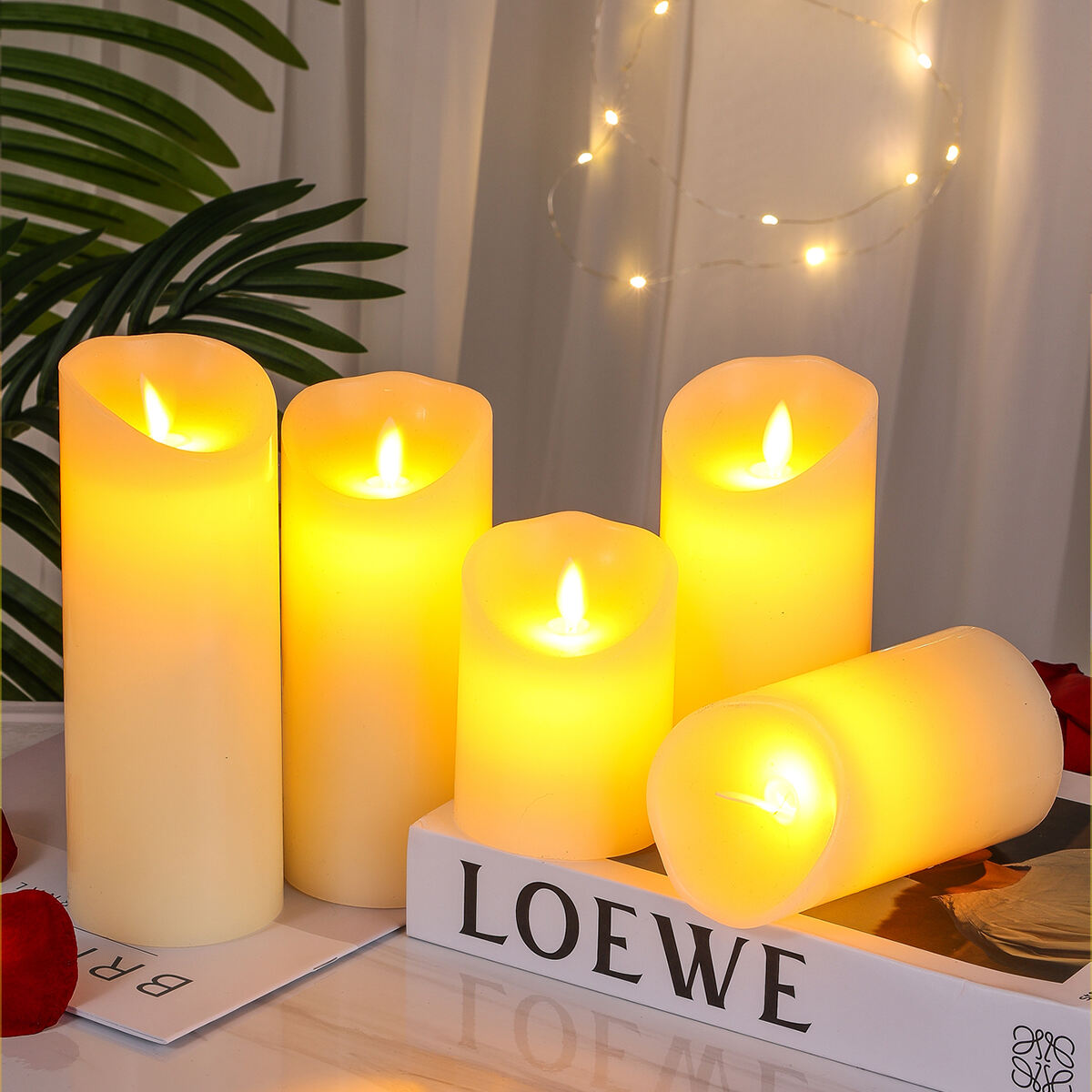
The world of candle making has experienced a remarkable transformation in recent years, with consumers becoming increasingly sophisticated about the popular scents for wax candles they choose for their homes. Today's candle enthusiasts seek more than just pleasant aromas; they desire authentic, complex fragrances that create memorable experiences and reflect their personal style. From traditional favorites to innovative new blends, the modern candle market offers an extensive array of scent profiles that cater to every preference and occasion. Understanding which fragrances are currently trending can help both consumers and retailers make informed decisions in this competitive marketplace.
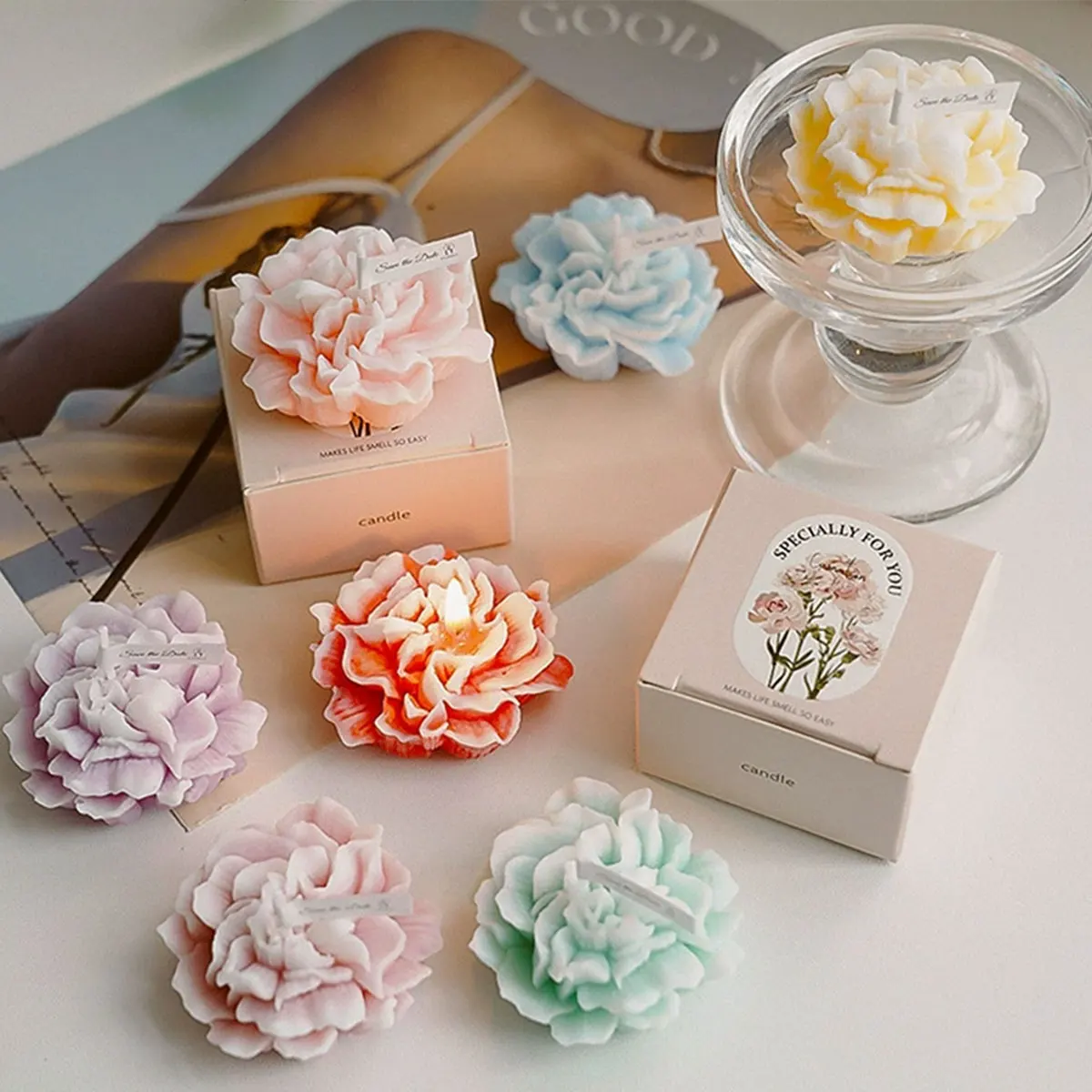
Floral Fragrances Leading the Market
Classic Rose and Peony Combinations
Rose remains one of the most enduring popular scents for wax candles, but modern interpretations have evolved far beyond simple single-note fragrances. Contemporary rose candles often blend different varieties of roses with complementary florals like peony, creating sophisticated bouquets that capture the essence of a blooming garden. These combinations typically feature top notes of fresh petals, middle notes of full-bloom flowers, and base notes of green stems or light woods. The popularity of these blends stems from their ability to evoke romance and elegance while maintaining broad appeal across different demographics.
Peony-forward fragrances have gained significant traction among consumers seeking lighter, more delicate floral options. Unlike heavier florals, peony scents offer a crisp, clean quality that works well in both intimate spaces and larger rooms. Many candle makers now combine peony with white tea, light musk, or soft citrus notes to create complex yet approachable fragrances that appeal to those who might typically avoid floral scents.
Exotic Jasmine and Gardenia Blends
Jasmine has emerged as one of the most sought-after popular scents for wax candles, particularly in premium collections. Its intoxicating aroma brings an element of luxury and sensuality to any space, making it perfect for evening relaxation or special occasions. Modern jasmine candles often incorporate unexpected elements like bergamot, vanilla, or even light spices to balance the flower's natural intensity and create more wearable everyday fragrances.
Gardenia represents another flowering trend that has captured consumer attention. This creamy, indulgent floral scent pairs beautifully with coconut, sandalwood, or light amber notes. The popularity of gardenia-based candles reflects a broader trend toward tropical and exotic fragrances that transport users to vacation-like settings without leaving their homes.
Fresh and Clean Scent Categories
Citrus-Forward Compositions
Citrus fragrances continue to dominate the market as popular scents for wax candles, but today's formulations go far beyond basic lemon or orange. Grapefruit, blood orange, and yuzu have become increasingly common, often blended with herbs like basil or thyme to create sophisticated, energizing scents. These fragrances appeal to consumers seeking candles that can refresh and invigorate their living spaces while providing a clean, natural aroma that doesn't overwhelm.
Lime-based fragrances have found particular success when combined with coconut or light florals, creating tropical escape scents that remain fresh rather than overly sweet. The key to successful citrus candles lies in balancing the bright top notes with subtle base notes that prevent the scent from becoming too sharp or artificial-smelling over extended burning periods.
Ocean and Marine-Inspired Scents
Ocean-inspired fragrances represent a growing segment among popular scents for wax candles, appealing to consumers who want to bring the calming essence of coastal environments into their homes. These scents typically combine sea salt, driftwood, and marine botanicals to create complex, atmospheric fragrances that evoke memories of beach vacations or seaside retreats. The popularity of these scents reflects a broader wellness trend where consumers seek products that promote relaxation and stress relief.
Marine scents often incorporate unexpected elements like cucumber, white tea, or light florals to soften the saltiness and create more approachable everyday fragrances. This category has proven particularly popular in urban markets where consumers crave connection to natural environments and seek to create spa-like atmospheres in their homes.
Warm and Cozy Seasonal Favorites
Vanilla and Amber Foundations
Vanilla-based fragrances remain among the most consistently popular scents for wax candles, but contemporary versions often feature complex layering that elevates this classic ingredient. Modern vanilla candles might include bourbon vanilla, Madagascar vanilla, or vanilla bean combined with complementary notes like caramel, sandalwood, or light spices. These sophisticated vanilla compositions appeal to consumers seeking comfort scents that feel luxurious rather than overly sweet or artificial.
Amber has experienced a renaissance in the candle market, particularly when blended with other warm notes like tonka bean, cedar, or light florals. Amber-based popular scents for wax candles create an enveloping warmth that makes them perfect for evening use or colder months, while their sophisticated nature ensures they appeal to consumers across different age groups and style preferences.
Spiced and Woodsy Combinations
Spiced fragrances have evolved significantly, moving beyond traditional holiday scents to become year-round favorites among popular scents for wax candles. Contemporary spiced candles might feature cardamom, pink pepper, or warm ginger combined with unexpected elements like pear, fig, or light florals. These modern interpretations appeal to consumers who enjoy complexity and sophistication in their fragrance choices while still appreciating the comfort and warmth that spiced scents provide.
Woodsy fragrances, particularly those featuring cedar, sandalwood, or teakwood, have gained significant market share as consumers embrace more gender-neutral and sophisticated scent profiles. These fragrances often incorporate fresh elements like eucalyptus or light citrus to prevent them from becoming too heavy, creating balanced compositions that work well in both residential and commercial settings.
Unique and Artisanal Scent Trends
Gourmand and Food-Inspired Fragrances
The gourmand category represents one of the fastest-growing segments among popular scents for wax candles, with consumers increasingly drawn to food-inspired fragrances that evoke comfort and nostalgia. Beyond traditional vanilla and cinnamon, today's gourmand candles might feature sophisticated combinations like salted caramel with sea salt, coffee bean with dark chocolate, or honey with lavender and oats. These fragrances appeal to consumers seeking candles that create cozy, welcoming atmospheres reminiscent of home baking or favorite cafes.
Artisanal candle makers have pushed the boundaries of gourmand fragrances by incorporating unexpected elements like brown butter, maple bourbon, or even savory herbs. These innovative combinations demonstrate how the category has evolved beyond simple sweet scents to encompass complex, sophisticated fragrances that challenge traditional perfumery boundaries while maintaining mass appeal.
Herbal and Botanical Collections
Herbal fragrances have experienced significant growth as popular scents for wax candles, driven by consumer interest in wellness and natural living. Lavender remains a cornerstone of this category, but contemporary interpretations often blend it with complementary herbs like rosemary, sage, or eucalyptus to create more complex, garden-like fragrances. These combinations appeal to consumers seeking therapeutic benefits from their candle choices while enjoying sophisticated, multi-layered scents.
Botanical collections often feature lesser-known herbs and plants like lemongrass, bergamot leaf, or white sage, appealing to adventurous consumers who appreciate unique, conversation-starting fragrances. The popularity of these scents reflects a broader trend toward mindfulness and connection with nature, as consumers seek products that support their wellness routines and create calming, restorative environments in their homes.
Regional and Cultural Scent Preferences
International Fragrance Influences
Global influence has significantly shaped popular scents for wax candles, with fragrances inspired by different cultures and regions gaining widespread acceptance. Japanese-inspired scents featuring hinoki wood, yuzu, and white tea have become particularly trendy, appealing to consumers interested in minimalism and zen-like atmospheres. These fragrances typically emphasize subtlety and balance, reflecting Japanese aesthetic principles while providing sophisticated, calming experiences for users.
Mediterranean influences have also gained traction, with fragrances featuring olive leaf, fig, cypress, and sea breeze combinations. These scents evoke the relaxed, sun-soaked atmosphere of coastal European regions and appeal to consumers seeking vacation-inspired fragrances that transport them to favorite travel destinations or dream getaways.
Seasonal and Holiday Adaptations
Seasonal variations remain important drivers among popular scents for wax candles, but contemporary approaches emphasize sophistication over cliché. Spring collections might feature green tea and cherry blossom, summer lines could include coconut lime verbena, autumn offerings may showcase spiced pear and amber, while winter selections often feature pine needle with vanilla or cedar with orange. These seasonal adaptations allow consumers to create atmospheric changes in their homes while enjoying high-quality, complex fragrances year-round.
Holiday-specific fragrances have evolved beyond traditional pine and cinnamon combinations to include more nuanced options like cranberry woods, winter citrus, or spiced apple cider. These sophisticated holiday scents appeal to consumers who want to celebrate seasonal traditions while maintaining elevated taste levels and avoiding overly commercial or artificial-smelling products.
FAQ
What makes certain scents more popular than others in wax candles
Scent popularity in wax candles depends on several factors including emotional associations, seasonal relevance, and fragrance complexity. Popular scents for wax candles typically evoke positive memories, create desired moods, and offer enough complexity to remain interesting over extended burning periods. Consumer preferences also shift based on lifestyle trends, with current favorites reflecting interests in wellness, luxury experiences, and connection to nature. Market research shows that scents achieving broad appeal usually balance familiarity with subtle sophistication, making them accessible to newcomers while satisfying experienced candle users.
How do seasonal trends affect candle scent preferences
Seasonal preferences significantly influence popular scents for wax candles, with consumers typically gravitating toward fresh, light fragrances in warmer months and richer, warmer scents during cooler periods. Spring and summer favorites include citrus, floral, and ocean-inspired fragrances that create refreshing, energizing atmospheres. Fall and winter preferences shift toward vanilla, spice, and woodsy combinations that provide comfort and coziness. However, modern consumers increasingly seek year-round options that transcend traditional seasonal boundaries, leading to sophisticated blends that work across multiple seasons.
Are natural or synthetic fragrances more popular in today's candles
Both natural and synthetic fragrances have their place among popular scents for wax candles, with consumer preferences varying based on individual values and scent quality. Natural fragrances appeal to environmentally conscious consumers seeking authentic, plant-based aromas, while high-quality synthetic fragrances often provide better scent throw, longer-lasting performance, and consistency. Many premium candle brands now use hybrid approaches, combining natural essential oils with synthetic molecules to achieve optimal performance while meeting consumer demands for both authenticity and quality. The key factor remains overall scent quality and performance rather than purely natural or synthetic composition.
What role do celebrity and influencer endorsements play in scent popularity
Celebrity and influencer endorsements significantly impact popular scents for wax candles by introducing new fragrances to wider audiences and creating aspirational connections between products and lifestyle brands. When celebrities launch their own candle lines or promote specific scents, they often influence consumer preferences and drive trends toward particular fragrance families. Social media influencers play an increasingly important role by showcasing candles in lifestyle content, providing authentic reviews, and demonstrating how different scents enhance home environments. However, long-term popularity ultimately depends on scent quality and consumer satisfaction rather than endorsement alone, with the most successful celebrity-influenced fragrances offering genuine appeal beyond initial promotional periods.