EN
EN
 AR
AR
 FR
FR
 DE
DE
 IT
IT
 JA
JA
 KO
KO
 PT
PT
 RU
RU
 ES
ES
 LV
LV
 LT
LT
 VI
VI
 TH
TH
 MS
MS

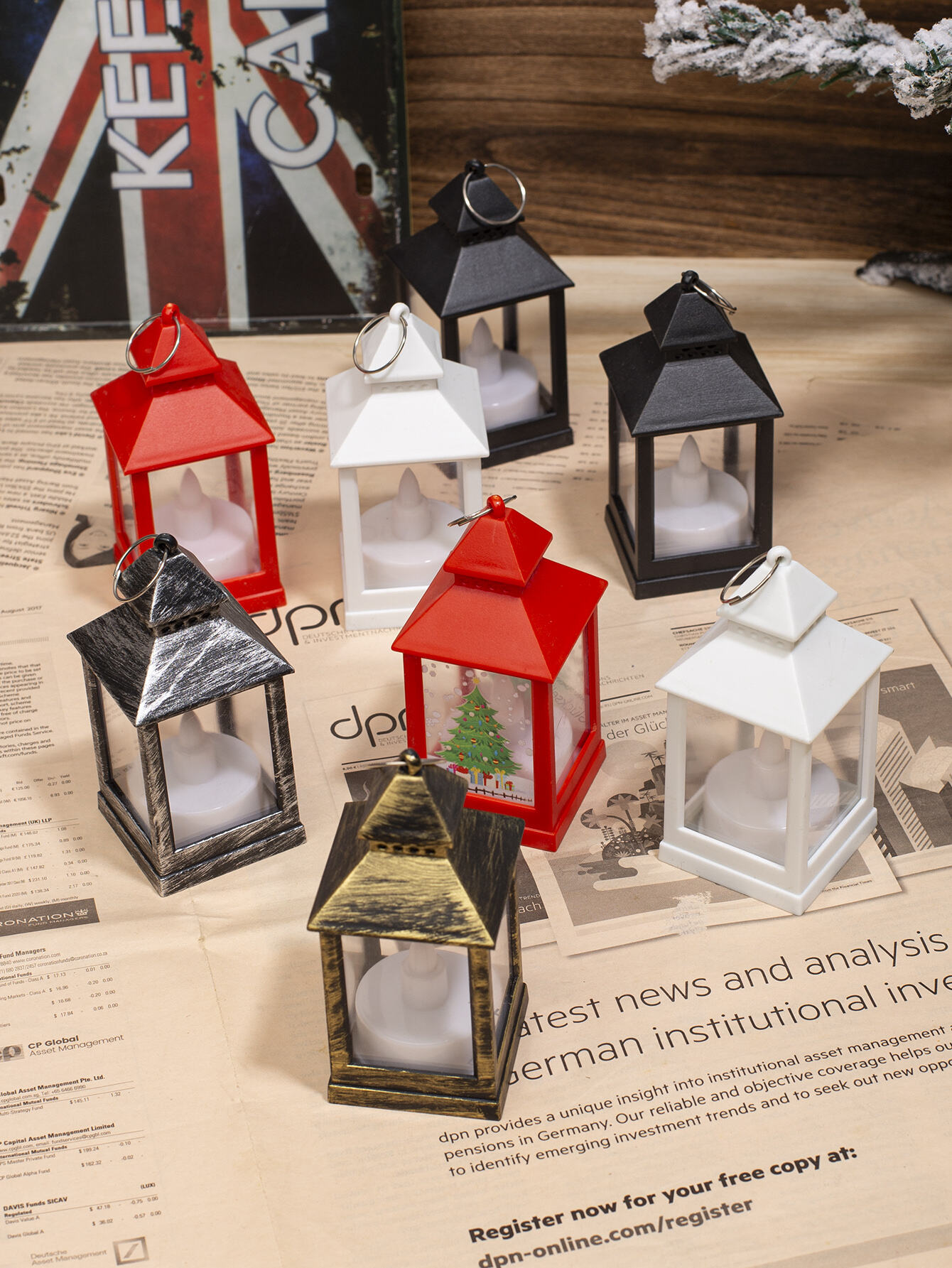
The popularity of wax LED candles has surged dramatically as consumers seek safer alternatives to traditional flame candles without sacrificing ambiance. These innovative lighting solutions combine the authentic appearance of real wax with the safety and convenience of LED technology, creating an ideal solution for homes, restaurants, and special events. Understanding which battery types deliver optimal performance in wax LED candles is crucial for maximizing both longevity and user satisfaction in these versatile decorative lighting products.

Modern wax LED candles represent a significant advancement in decorative lighting technology, offering the warm glow and realistic appearance of traditional candles while eliminating fire hazards and wax dripping concerns. The battery selection directly impacts the performance characteristics, operational costs, and overall user experience of these sophisticated lighting devices. Professional lighting designers and consumers alike recognize that proper battery selection can dramatically influence the effectiveness and reliability of wax LED candles in various applications.
Understanding Battery Requirements for Wax LED Candles
Power Consumption Characteristics
Wax LED candles typically operate on low-voltage direct current systems, making them highly efficient compared to traditional incandescent lighting solutions. Most quality wax LED candles consume between 0.5 to 2 watts of power, depending on the number of LEDs, flickering mechanisms, and additional features such as remote control capabilities or timer functions. This low power consumption allows for extended operational periods, making battery selection a critical factor in determining overall cost-effectiveness and user convenience.
The voltage requirements for wax LED candles generally range from 3V to 9V, with many models designed to accommodate standard battery configurations such as two or three AA batteries in series. Understanding these power requirements helps consumers select appropriate battery types that deliver consistent performance throughout the operational cycle. Premium wax LED candles often incorporate voltage regulation circuits to maintain steady light output even as battery voltage decreases during discharge cycles.
Battery Life Expectations
Battery life in wax LED candles varies significantly based on battery chemistry, capacity, usage patterns, and environmental conditions. High-quality alkaline batteries typically provide 100-200 hours of continuous operation in standard wax LED candles, while lithium batteries can extend this duration to 300-500 hours due to their superior energy density and stable discharge characteristics. Understanding these expectations helps users plan replacement schedules and budget for ongoing operational costs.
Environmental factors such as temperature, humidity, and storage conditions significantly impact battery performance in wax LED candles. Extreme temperatures can reduce battery capacity and affect the voltage stability required for optimal LED performance. Professional applications often require more predictable battery life, making premium battery selections essential for maintaining consistent lighting quality in commercial environments where wax LED candles serve critical decorative or safety lighting functions.
Alkaline Battery Performance in Wax LED Candles
Advantages and Applications
Alkaline batteries remain the most popular choice for wax LED candles due to their widespread availability, reasonable cost, and reliable performance characteristics. These batteries deliver stable voltage output throughout most of their discharge cycle, ensuring consistent light intensity and color temperature in quality wax LED candles. The predictable performance curve of alkaline batteries makes them ideal for applications where users prefer straightforward replacement schedules without complex monitoring requirements.
Premium alkaline batteries offer excellent cold weather performance, maintaining their capacity and voltage stability even in challenging environmental conditions where wax LED candles might be used for outdoor decorating or emergency lighting situations. The standardized sizes and universal compatibility of alkaline batteries ensure that replacement batteries for wax LED candles are readily available at most retail locations, contributing to user convenience and product accessibility.
Performance Limitations
Despite their popularity, alkaline batteries exhibit certain limitations when powering wax LED candles over extended periods. The gradual voltage decline characteristic of alkaline discharge can cause visible dimming in LED output as batteries approach depletion, potentially affecting the aesthetic appeal of wax LED candles in decorative applications. Additionally, alkaline batteries may leak corrosive electrolyte if left in devices for extended periods, potentially damaging the electronic components of expensive wax LED candles.
Temperature sensitivity represents another consideration for alkaline battery use in wax LED candles, particularly in applications where ambient temperatures fluctuate significantly. High temperatures can accelerate self-discharge rates and reduce overall capacity, while very low temperatures may temporarily reduce available power output, affecting the performance consistency expected from quality wax LED candles in various environmental conditions.
Lithium Battery Advantages for Wax LED Candles
Superior Energy Density
Lithium batteries offer exceptional energy density, providing significantly longer operational periods for wax LED candles compared to traditional alkaline alternatives. This superior energy capacity translates to extended periods between battery replacements, reducing maintenance requirements and long-term operational costs despite higher initial purchase prices. Professional applications particularly benefit from lithium battery longevity, as reduced replacement frequency minimizes disruption in commercial settings where wax LED candles provide essential ambiance lighting.
The stable voltage output characteristic of lithium batteries ensures consistent LED performance throughout the discharge cycle, maintaining uniform light intensity and color temperature in wax LED candles until complete depletion. This flat discharge curve eliminates the gradual dimming experienced with alkaline batteries, preserving the intended aesthetic effect of wax LED candles throughout their operational period and enhancing user satisfaction with product performance.
Temperature Stability and Reliability
Lithium batteries demonstrate exceptional temperature stability, maintaining consistent performance characteristics across a wide range of environmental conditions commonly encountered in wax LED candle applications. This temperature tolerance makes lithium batteries ideal for outdoor decorative lighting, seasonal displays, and emergency preparedness applications where wax LED candles may experience significant temperature variations during storage and operation.
The low self-discharge rate of lithium batteries ensures that wax LED candles remain ready for immediate use even after extended storage periods, making them excellent choices for emergency lighting applications or seasonal decorative displays. This reliability characteristic reduces the frustration associated with dead batteries in stored wax LED candles and supports spontaneous use scenarios where immediate lighting is required without preparation time.
Rechargeable Battery Options for Wax LED Candles
Nickel-Metal Hydride Performance
Nickel-Metal Hydride rechargeable batteries offer an environmentally conscious solution for powering wax LED candles while providing reasonable performance characteristics and cost savings over extended use periods. These rechargeable batteries typically deliver 80-120 hours of operation per charge cycle in standard wax LED candles, making them suitable for regular use applications where frequent battery replacement would become costly and environmentally problematic.
The voltage characteristics of NiMH batteries closely match the requirements of most wax LED candles, providing adequate power output throughout the discharge cycle. However, the gradual voltage decline of NiMH batteries may cause some dimming as the charge depletes, similar to alkaline battery behavior but generally less pronounced due to the flatter discharge curve of quality rechargeable cells used in demanding applications like wax LED candles.
Lithium-Ion Integration
Advanced wax LED candles increasingly incorporate lithium-ion rechargeable battery systems, offering superior performance characteristics combined with environmental sustainability and long-term cost effectiveness. These integrated systems typically feature USB charging capabilities, allowing convenient recharging without battery removal, and often include battery level indicators to inform users of remaining charge capacity in their wax LED candles.
Lithium-ion powered wax LED candles often incorporate additional features such as programmable timers, multiple brightness settings, and smartphone connectivity, taking advantage of the stable power delivery and compact form factor of modern lithium-ion battery technology. These advanced features enhance the versatility and user experience of premium wax LED candles while maintaining the authentic appearance and ambiance that makes these products attractive alternatives to traditional candles.
Optimizing Battery Selection for Specific Applications
Indoor Decorative Use
Indoor decorative applications of wax LED candles benefit from battery selections that prioritize consistent light output, extended operational periods, and minimal maintenance requirements. Alkaline batteries often provide the optimal balance of cost, performance, and convenience for regular indoor use, particularly in applications where wax LED candles operate for several hours daily and benefit from predictable replacement schedules that align with household maintenance routines.
Premium lithium batteries become cost-effective for indoor wax LED candles used extensively or in hard-to-reach locations where frequent battery replacement would be inconvenient. The extended operational life and stable voltage output of lithium batteries ensure consistent decorative lighting quality while reducing the frequency of maintenance interruptions in carefully planned interior design schemes featuring multiple wax LED candles as primary or accent lighting elements.
Outdoor and Emergency Applications
Outdoor applications and emergency preparedness scenarios require battery selections that emphasize reliability, temperature tolerance, and extended shelf life for wax LED candles used intermittently or stored for extended periods. Lithium batteries excel in these demanding applications, providing consistent performance across temperature extremes and maintaining charge capacity during long storage periods, ensuring that wax LED candles remain ready for immediate use when needed.
Emergency preparedness kits frequently include wax LED candles as safe lighting alternatives during power outages or natural disasters, making battery reliability and longevity critical factors for public safety applications. The non-toxic, leak-resistant characteristics of premium lithium batteries reduce safety concerns associated with battery failure in emergency situations, while their extended operational life ensures adequate lighting duration during extended power outages or evacuation scenarios.
Cost Analysis and Long-Term Value Considerations
Initial Investment versus Operational Costs
Economic analysis of battery options for wax LED candles requires consideration of both initial purchase costs and long-term operational expenses, including replacement frequency, disposal costs, and performance consistency over time. While alkaline batteries offer lower upfront costs, their shorter operational life may result in higher total cost of ownership for frequently used wax LED candles, particularly in commercial applications where labor costs for maintenance must be factored into economic evaluations.
Lithium batteries command premium pricing but often deliver superior value propositions for intensive use scenarios, reducing replacement frequency and associated maintenance costs while providing more consistent performance throughout their operational life. Professional lighting applications and high-end residential installations often justify lithium battery investments through reduced maintenance requirements and superior aesthetic consistency in their wax LED candles installations.
Environmental Impact Considerations
Environmental consciousness increasingly influences battery selection decisions for wax LED candles, with consumers and businesses seeking sustainable solutions that minimize waste generation and environmental impact. Rechargeable battery options significantly reduce the volume of spent batteries requiring disposal, making them attractive choices for environmentally conscious consumers who use wax LED candles regularly in their homes or businesses.
The manufacturing environmental impact of different battery technologies varies significantly, with lithium batteries requiring more energy-intensive production processes but delivering superior performance per unit of environmental impact due to their extended operational life. Responsible disposal and recycling programs for all battery types help minimize the environmental footprint of wax LED candles throughout their operational lifecycle, supporting sustainable lighting practices in both residential and commercial applications.
Advanced Features and Smart Battery Management
Intelligent Power Management Systems
Modern premium wax LED candles increasingly incorporate intelligent power management systems that optimize battery utilization and extend operational life through sophisticated electronic control circuits. These systems monitor battery voltage and automatically adjust LED brightness to maintain consistent light output while maximizing battery efficiency, ensuring optimal performance from various battery types used in advanced wax LED candles.
Smart power management features often include automatic shutoff timers, low battery indicators, and multiple brightness settings that allow users to balance ambiance preferences with battery conservation requirements. These advanced features enhance the versatility and user experience of premium wax LED candles while maximizing the value derived from quality battery investments across various usage scenarios and environmental conditions.
Remote Control and Connectivity Features
Advanced wax LED candles with remote control capabilities and smart home integration require additional power for radio frequency communication and microprocessor operation, influencing optimal battery selection toward higher capacity options that can support these enhanced features without compromising basic lighting functions. Lithium batteries typically provide the best performance for feature-rich wax LED candles due to their stable voltage output and high energy density characteristics.
Smartphone connectivity and programmable features in premium wax LED candles create opportunities for sophisticated battery management through mobile applications that monitor power consumption, schedule operation times, and provide low battery alerts. These digital features enhance user convenience while supporting optimal battery utilization strategies that maximize operational efficiency and minimize maintenance requirements for sophisticated wax LED candles systems.
FAQ
How long do different battery types typically last in wax LED candles?
Battery life in wax LED candles varies significantly by type and usage patterns. Standard alkaline batteries typically provide 100-200 hours of continuous operation, while premium lithium batteries can extend this to 300-500 hours. Rechargeable NiMH batteries generally offer 80-120 hours per charge cycle. Actual performance depends on LED power consumption, environmental conditions, and usage patterns. For daily use applications, lithium batteries often provide the best value despite higher initial costs due to their extended operational life and consistent performance characteristics.
Can rechargeable batteries be used effectively in wax LED candles?
Yes, rechargeable batteries work well in wax LED candles and offer environmental and economic benefits for regular use applications. NiMH rechargeable batteries provide adequate performance for most wax LED candles, while lithium-ion options offer superior performance and convenience. Many premium wax LED candles now feature built-in rechargeable systems with USB charging capabilities. Rechargeable options become more cost-effective than disposable batteries for wax LED candles used regularly, typically breaking even after 10-20 charge cycles depending on usage patterns and battery quality.
What factors should I consider when choosing batteries for outdoor wax LED candles?
Outdoor applications require batteries that perform well across temperature extremes and resist moisture-related degradation. Lithium batteries excel in outdoor conditions due to their superior temperature tolerance and low self-discharge rates, making them ideal for seasonal decorative displays and emergency preparedness applications. Consider the expected temperature range, storage duration, and usage frequency when selecting batteries for outdoor wax LED candles. Alkaline batteries may suffice for mild climates and short-term use, but lithium options provide better reliability for challenging outdoor conditions and extended deployment periods.
Do premium wax LED candles require specific battery types for optimal performance?
While most wax LED candles accept standard battery sizes like AA or AAA, premium models with advanced features may perform better with specific battery types. High-end wax LED candles with remote controls, timers, or smart connectivity features benefit from lithium batteries due to their stable voltage output and high energy density. Always check manufacturer recommendations for your specific wax LED candles model, as some advanced features may require minimum voltage thresholds that alkaline batteries cannot maintain throughout their discharge cycle, potentially limiting functionality with lower-performance battery options.
Table of Contents
- Understanding Battery Requirements for Wax LED Candles
- Alkaline Battery Performance in Wax LED Candles
- Lithium Battery Advantages for Wax LED Candles
- Rechargeable Battery Options for Wax LED Candles
- Optimizing Battery Selection for Specific Applications
- Cost Analysis and Long-Term Value Considerations
- Advanced Features and Smart Battery Management
-
FAQ
- How long do different battery types typically last in wax LED candles?
- Can rechargeable batteries be used effectively in wax LED candles?
- What factors should I consider when choosing batteries for outdoor wax LED candles?
- Do premium wax LED candles require specific battery types for optimal performance?