EN
EN
 AR
AR
 FR
FR
 DE
DE
 IT
IT
 JA
JA
 KO
KO
 PT
PT
 RU
RU
 ES
ES
 LV
LV
 LT
LT
 VI
VI
 TH
TH
 MS
MS


LED wind lamps represent a revolutionary approach to outdoor lighting that combines aesthetic appeal with sustainable functionality. These innovative lighting solutions have transformed the way homeowners and commercial establishments approach patio decoration, offering an environmentally conscious alternative to traditional outdoor lighting systems. The integration of wind-powered LED technology creates captivating visual displays while reducing electricity consumption and carbon footprint.
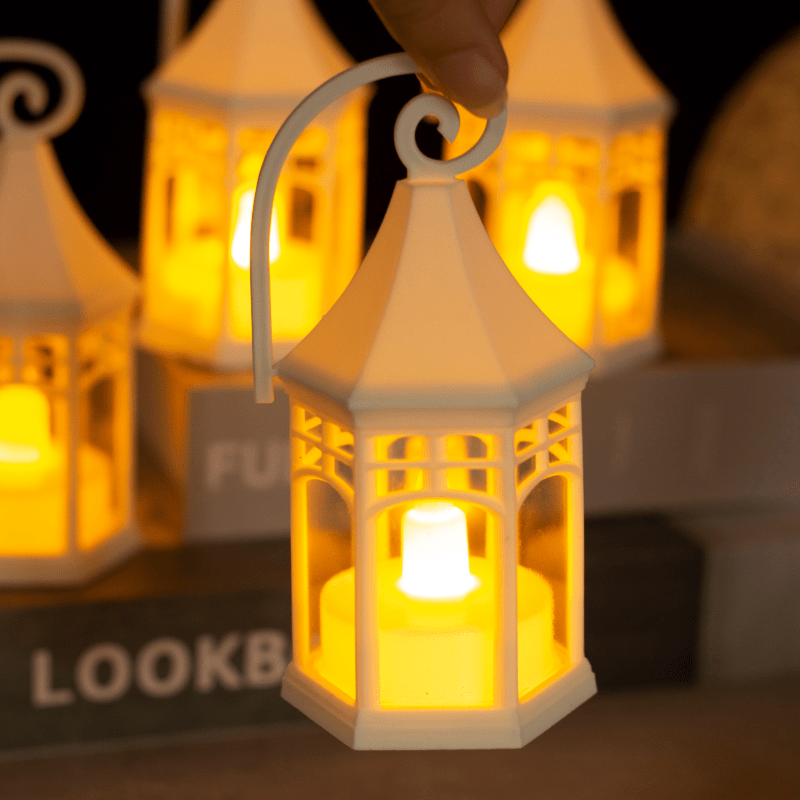
Modern patio design increasingly emphasizes the balance between functionality and visual impact. LED wind lamps excel in this regard by providing ambient lighting that responds dynamically to environmental conditions. When gentle breezes activate the wind mechanisms, these lamps create mesmerizing light patterns that dance across outdoor spaces, establishing a unique atmosphere that static lighting cannot achieve.
The versatility of LED wind lamps makes them suitable for various outdoor applications, from intimate residential patios to expansive commercial terraces. Their weather-resistant construction ensures reliable performance across different seasonal conditions, while the low-maintenance design appeals to property owners seeking long-term lighting solutions.
Understanding LED Wind Lamp Technology
Wind Power Generation Mechanisms
The core technology behind LED wind lamps involves sophisticated micro-wind turbines that convert kinetic energy from air movement into electrical power. These miniaturized generators typically feature lightweight, aerodynamically designed blades that can capture even gentle breezes. Advanced models incorporate permanent magnet generators that maximize energy conversion efficiency while minimizing noise production.
Energy storage systems within LED wind lamps utilize rechargeable lithium-ion or nickel-metal hydride batteries to store generated power. This stored energy ensures consistent illumination even during calm periods when wind generation is minimal. The intelligent power management systems automatically regulate charging cycles and optimize battery longevity.
Some premium LED wind lamps feature hybrid power systems that combine wind generation with solar panels, creating dual renewable energy sources. This redundancy ensures reliable operation across diverse weather conditions and extends operational hours significantly compared to single-source systems.
LED Integration and Control Systems
Modern LED wind lamps incorporate high-efficiency light-emitting diodes that consume minimal power while producing substantial illumination output. The LED arrays often feature color-changing capabilities, allowing users to customize lighting schemes according to specific occasions or preferences. RGB LED configurations enable millions of color combinations, creating stunning visual effects.
Sophisticated control systems within these lamps regulate light intensity based on wind speed and battery charge levels. Microprocessor-controlled circuits optimize power consumption by adjusting brightness automatically, ensuring maximum operational time while preventing battery depletion. Some models include programmable timers and remote control capabilities for enhanced user convenience.
Advanced LED wind lamps may incorporate motion sensors that activate increased brightness when movement is detected, providing both decorative and security lighting functions. These smart features enhance the practical value of the lamps beyond their aesthetic contributions.
Design Applications for Patio Enhancement
Architectural Integration Strategies
Successful patio decoration with LED wind lamps requires careful consideration of architectural elements and spatial relationships. These lamps work exceptionally well when positioned to complement existing design features such as pergolas, gazebos, or decorative columns. The vertical elements of outdoor structures provide ideal mounting points that maximize wind exposure while creating visually appealing focal points.
Strategic placement along patio perimeters creates ambient boundary lighting that defines outdoor living spaces without creating harsh visual barriers. The gentle, moving light patterns help establish intimate atmospheres perfect for evening entertainment or relaxation. Multiple lamps can be coordinated to create rhythmic lighting sequences that enhance the overall design cohesion.
Integration with landscaping elements amplifies the decorative impact of LED wind lamps. Positioning lamps near ornamental grasses or flowering plants that naturally sway in breezes creates harmonious movement patterns that enhance the organic feel of outdoor spaces. The interplay between natural and artificial movement elements adds sophisticated visual depth.
Color Coordination and Theme Development
The color-changing capabilities of LED wind lamps enable dynamic theme development that can adapt to seasonal changes or special occasions. Warm color palettes featuring amber, orange, and red tones create cozy, intimate atmospheres ideal for autumn gatherings or romantic settings. Cool color schemes using blues, greens, and purples establish refreshing summer ambiances or contemporary modern aesthetics.
Coordinated color programming across multiple LED wind lamps creates unified lighting themes that enhance patio cohesion. Synchronized color transitions can establish gentle, flowing effects that complement the natural wind-driven movements. Some advanced systems allow for smartphone app control, enabling real-time color adjustments and preset theme selection.
Seasonal theme adaptation becomes effortless with programmable LED wind lamps. Spring themes might emphasize fresh greens and soft whites, while winter settings could feature cool blues and crystalline whites. Holiday programming enables special color combinations for celebrations, making these lamps versatile decorative investments.
Installation and Positioning Considerations
Optimal Wind Exposure Assessment
Effective LED wind lamp performance depends heavily on proper site assessment and positioning to maximize wind exposure. Conducting wind pattern analysis involves observing air movement at different times of day and various weather conditions. Areas with consistent, gentle airflow typically provide the most reliable operation for wind-powered lighting systems.
Elevation considerations play crucial roles in wind exposure optimization. Mounting lamps at heights that extend above ground-level obstructions such as furniture, planters, or decorative barriers ensures better wind access. However, excessive height may create installation challenges and reduce the intimate lighting effects desired for patio applications.
Microclimate factors within patio environments significantly influence wind patterns. Building orientations, nearby vegetation, and adjacent structures create localized wind corridors and calm zones. Understanding these patterns helps identify optimal placement locations that balance wind access with desired lighting coverage.
Structural Mounting Solutions
Professional-grade mounting hardware ensures secure installation and long-term stability for LED wind lamps. Adjustable mounting brackets accommodate various installation surfaces including wooden posts, metal railings, concrete walls, and decorative columns. Corrosion-resistant materials such as stainless steel or powder-coated aluminum provide durability in outdoor environments.
Ground-mounted pedestal systems offer flexibility for temporary installations or seasonal arrangements. These systems typically feature weighted bases or ground anchors that provide stability without permanent structural modifications. Portable mounting solutions enable easy relocation based on changing wind patterns or design preferences.
Cable management systems protect electrical connections while maintaining clean visual presentations. Weather-sealed junction boxes and UV-resistant wiring ensure reliable performance throughout extended outdoor exposure. Professional installation may be recommended for complex multi-lamp configurations or integrated control systems.
Maintenance and Longevity Factors
Routine Care Procedures
Regular maintenance ensures optimal performance and extends the operational lifespan of LED wind lamps significantly. Basic cleaning procedures involve gentle removal of debris, dust, and organic matter that may accumulate on wind turbine blades or LED housing surfaces. Quarterly cleaning schedules typically provide adequate maintenance intervals for most installations.
Battery maintenance represents a critical aspect of long-term LED wind lamp performance. Monitoring battery charge levels and replacement schedules prevents unexpected operational failures. Most quality systems provide battery life indicators that signal when replacement becomes necessary, typically every 2-3 years depending on usage patterns and environmental conditions.
Moving component lubrication ensures smooth turbine operation and reduces mechanical wear. Specialized lubricants designed for outdoor applications provide protection against moisture infiltration while maintaining optimal bearing performance. Annual lubrication schedules generally provide adequate protection for mechanical components.
Weather Protection Strategies
Comprehensive weather protection extends LED wind lamp operational life and maintains consistent performance across diverse environmental conditions. Proper weatherproofing involves sealed electrical connections, corrosion-resistant materials, and drainage systems that prevent moisture accumulation within lamp housings.
Extreme weather preparedness includes temporary removal procedures for severe storm conditions or storage protocols for seasonal installations. Removable lamp designs facilitate protection during harsh weather periods while enabling easy reinstallation when conditions improve. Winter storage considerations protect electronic components from freeze-thaw cycles in climates with extreme temperature variations.
UV protection coatings preserve plastic and rubber components from solar degradation that can compromise structural integrity and weather sealing effectiveness. Regular inspection of weatherproofing elements identifies potential issues before they result in component failure or moisture damage.
Cost Benefits and Energy Efficiency
Economic Advantages
LED wind lamps provide substantial economic benefits through reduced electricity consumption and minimal operational costs. The renewable energy generation eliminates ongoing electrical expenses while providing reliable outdoor lighting solutions. Initial investment costs are typically recovered within 2-3 years through energy savings, making these systems financially attractive for long-term installations.
Maintenance cost reduction represents another significant economic advantage of LED wind lamp systems. The absence of electrical wiring to outdoor locations eliminates installation costs associated with trenching, conduit installation, and electrical permits. Reduced maintenance requirements compared to traditional lighting systems further enhance cost-effectiveness.
Property value enhancement through attractive, sustainable lighting installations provides additional economic benefits. Modern buyers increasingly value energy-efficient features and environmentally conscious improvements. Professional-quality LED wind lamp installations can contribute positively to property valuations and market appeal.
Environmental Impact Considerations
The environmental benefits of LED wind lamps extend beyond simple energy conservation to include reduced carbon footprint and sustainable resource utilization. Wind-generated power eliminates fossil fuel consumption associated with grid electricity, contributing to reduced greenhouse gas emissions. LED technology provides exceptional energy efficiency compared to traditional incandescent or fluorescent lighting options.
Material sustainability considerations favor LED wind lamps through long component lifespans and recyclable materials. Quality LED arrays typically operate for 25,000-50,000 hours, significantly exceeding traditional lighting technologies. Aluminum and steel construction materials can be recycled at end-of-life, supporting circular economy principles.
Noise pollution reduction compared to conventional generators or mechanical lighting systems makes LED wind lamps ideal for residential applications. The quiet operation maintains peaceful outdoor environments while providing necessary illumination for evening activities and security purposes.
FAQ
How much wind is required to operate LED wind lamps effectively
Most quality LED wind lamps begin generating power with wind speeds as low as 3-5 mph, which represents gentle breezes that are barely perceptible. Optimal power generation typically occurs with wind speeds between 8-15 mph, which are common in most outdoor environments. The stored battery power ensures continuous operation even during calm periods, with most systems providing 6-12 hours of illumination from fully charged batteries.
Can LED wind lamps operate during winter or in cold climates
High-quality LED wind lamps are designed to operate effectively in temperatures ranging from -20°F to 120°F, making them suitable for most climate conditions. Cold weather actually improves battery performance and LED efficiency, while proper weatherproofing protects electronic components from moisture and ice formation. However, snow accumulation may temporarily reduce wind turbine effectiveness until cleared.
What is the typical lifespan of LED wind lamp components
LED arrays typically last 25,000-50,000 hours of operation, equivalent to 10-20 years of normal evening use. Rechargeable batteries usually require replacement every 2-4 years, depending on usage patterns and environmental conditions. Wind turbine mechanisms generally operate reliably for 5-10 years with proper maintenance, while structural components can last 15-25 years with quality construction materials.
Are LED wind lamps suitable for areas with limited wind exposure
LED wind lamps can function in low-wind environments through hybrid power systems that combine wind generation with solar panels or through larger battery capacities that store power during windy periods for use during calm conditions. Some models feature manual charging capabilities or backup power connections for extremely challenging wind environments, ensuring reliable operation regardless of local conditions.